India has strongly condemned recent Houthi attacks on Saudi Arabia as safety concerns grow for millions of expatriates living and working across the Gulf region.
- Houthi missile and drone strikes hit southern Saudi Arabian cities on September 15.
- Thirteen civilians were injured and homes and vehicles were damaged.
- Ministry of External Affairs spokesperson Randhir Jaiswal condemned the strikes on September 18.
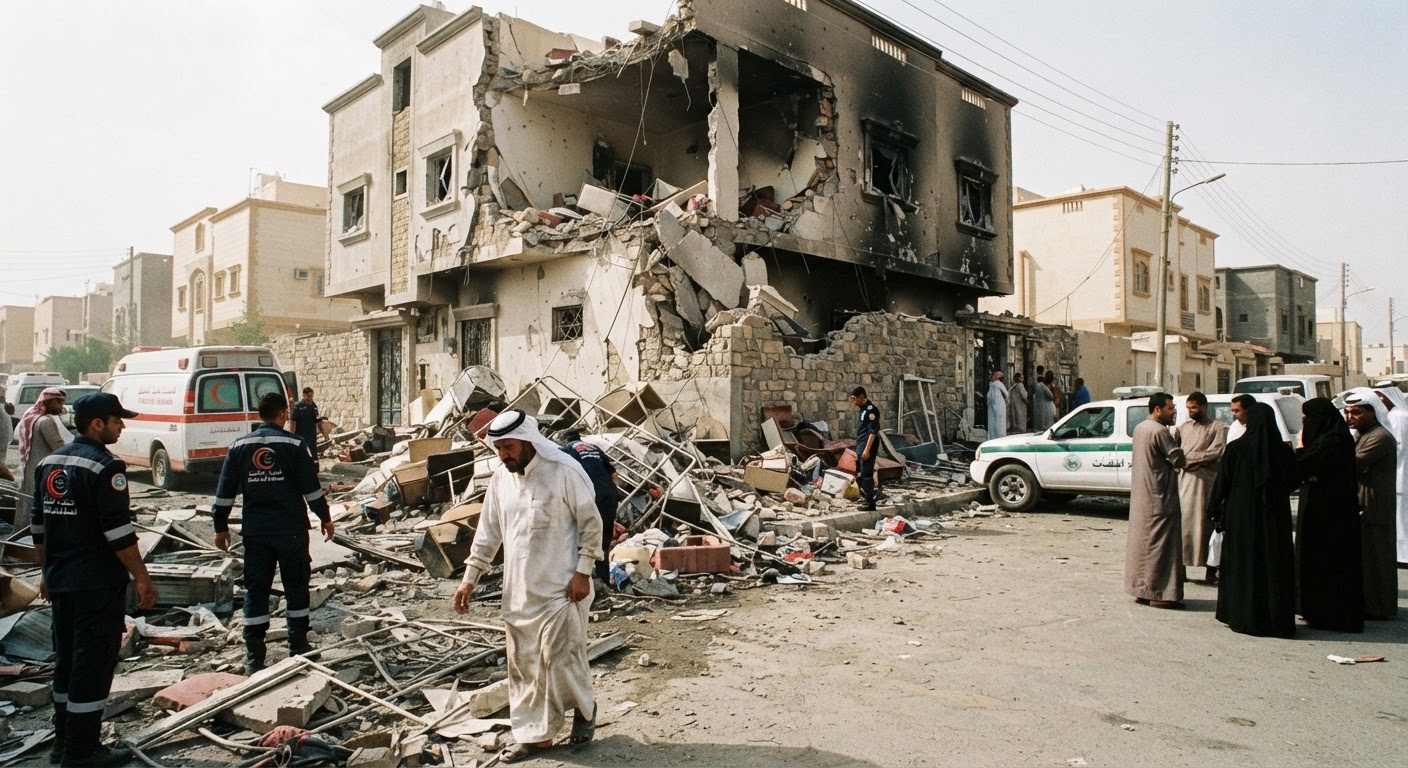
Houthi militants have launched a fresh wave of missile and drone strikes targeting southern Saudi Arabian cities, including Khamis Mushait, Abha, Taif, Jazan, and Najran.
Coalition officials reported that 13 civilians were injured and homes and vehicles sustained damage on September 15. Earlier this month, a separate militia attack on civilian and economic sites resulted in 73 injuries, including women and children. On September 18, Ministry of External Affairs spokesperson Randhir Jaiswal condemned the strikes, labeling them totally unacceptable and noting that attacks on Saudi sovereign territory, civilian infrastructure, and an attempted strike near Makkah threaten regional security and the freedom of navigation through the Bab-el-Mandeb strait.
The strike zone encompasses an area with a high concentration of Indian expatriates working in construction, healthcare, transport, hospitality, and municipal services. Parliamentary data provided by the Ministry of External Affairs reveals that between 2021 and 2025, over 37,000 Indian workers died abroad, with more than 86 percent of these deaths occurring in the Gulf region.
Saudi Arabia and the UAE accounted for over 23,000 of these fatalities. Data regarding workplace accidents from 2023 to 2025 indicates that over 800 Indians died on the job overseas, with 55 percent of these incidents occurring in Gulf states. Of that figure, 182 deaths occurred in Saudi Arabia and 128 in the UAE. Reports also highlight an industrial blast in Qatar earlier this year that resulted in the deaths of 12 Indian nationals. While the Indian government maintains that its missions are providing support, managing helplines, and assisting in the repatriation of remains, critics argue that security measures for workers in these regions remain inadequate.
Amid these tensions, other diplomatic activities continue across the Gulf. In Doha, the new Indian Ambassador, Dr. K. Srikar Reddy, announced an increase in daily passport and Police Clearance Certificate appointment slots at the Indian Cultural Centre and Indian Community Benevolent Forum from 100 to 150 and 60 to 100, respectively.
Meanwhile, the Consulate in Dubai continues to address biometric and Emirates ID scams targeting blue-collar workers. The Embassy in Bahrain organized a Viksit Bharat Run on September 18 involving 200 diaspora members. Nearly 10 million Indians currently reside across the six GCC states, with the UAE and Saudi Arabia hosting the largest populations.