HRW Warns: Migrant Worker Safety in GCC at Risk
Human Rights Watch warns that regional conflict is endangering migrant workers in the GCC, causing income drops and rising living costs.
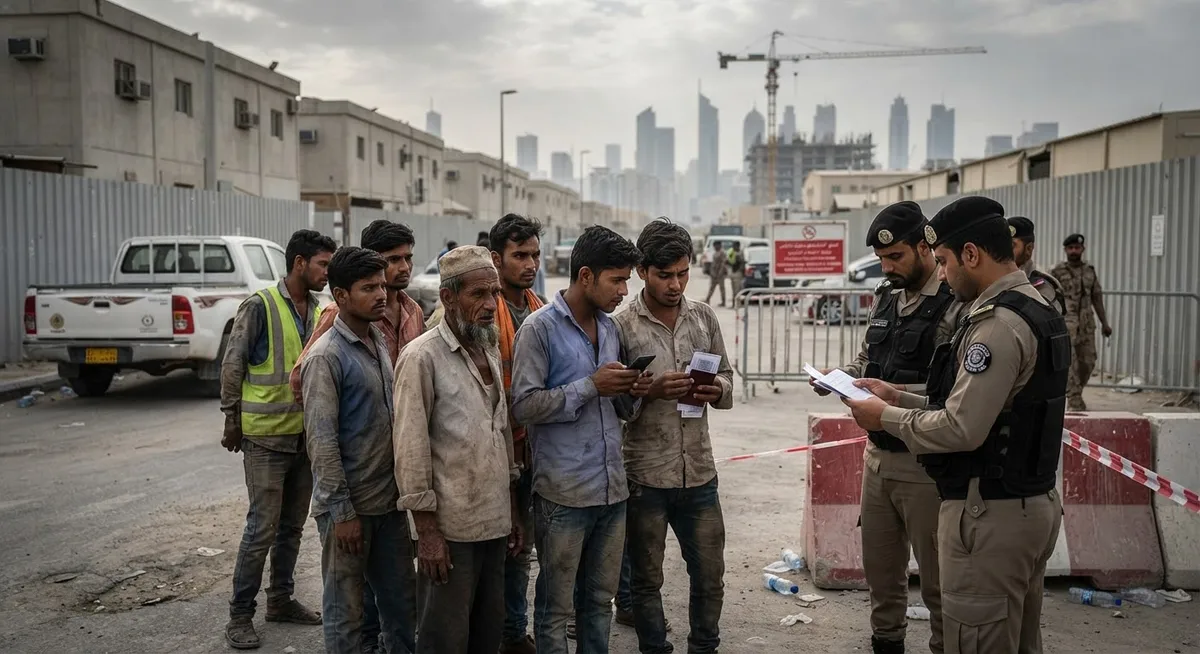
Human Rights Watch (HRW) has issued a stark warning regarding migrant worker safety in the GCC, noting that escalating regional conflict is endangering millions of lives and livelihoods. The organization highlights that current geopolitical instability is exposing significant protection gaps within the kafala system, leaving expatriates highly vulnerable.
Economic Pressures and Rising Costs
The ongoing instability is not just a security concern but a growing economic crisis for the region's massive expatriate population. Reports from early November 2026 indicate that many workers are facing a sharp decline in income. This trend is particularly evident among taxi drivers, who are struggling to maintain their earnings.
At the same time, workers across the United Arab Emirates, Kuwait, Bahrain, and Qatar are grappling with surging food prices. These combined economic pressures are creating deep concerns regarding the stability of remittances, which serve as a vital lifeline for families in South Asian nations such as India, Bangladesh, Pakistan, and Nepal.
Safety Gaps and Human Toll
HRW has pointed out that the current geopolitical climate has amplified pre-existing structural flaws in the labor systems governing Gulf economies. The organization cited specific evidence of rising vulnerabilities, including the tragic death of a Bangladeshi driver in Ajman.
The organization argues that the current instability has made it increasingly difficult for workers to access the protections they are legally entitled to, as the existing frameworks struggle to respond to rapid regional shifts.
HRW Calls for Emergency Measures
In response to these growing threats, Human Rights Watch has formally called upon GCC governments and employers to take immediate action. The organization is urging authorities to implement emergency measures, including:
- Strict enforcement of existing employment contracts.
- The provision of living wages to combat rising inflation.
- The payment of fair compensation for workers affected by the conflict.
- Airfare support for migrant workers who wish to return to their home countries.
- The dissemination of critical safety information in the native languages of the workers.
Advice for Expatriates
As rights groups continue to monitor the volatile situation, migrant workers are strongly advised to take proactive steps to protect themselves. Experts recommend that workers:
- Strictly adhere to all guidelines and updates issued by their respective embassies.
- Maintain thorough and organized documentation of all employment contracts, salary slips, and any safety-related incidents.