HRW: Migrant Workers Face Rising Safety and Economic Risks
Human Rights Watch warns of increased physical and economic dangers for migrant workers in the GCC due to regional conflicts and the kafala system.
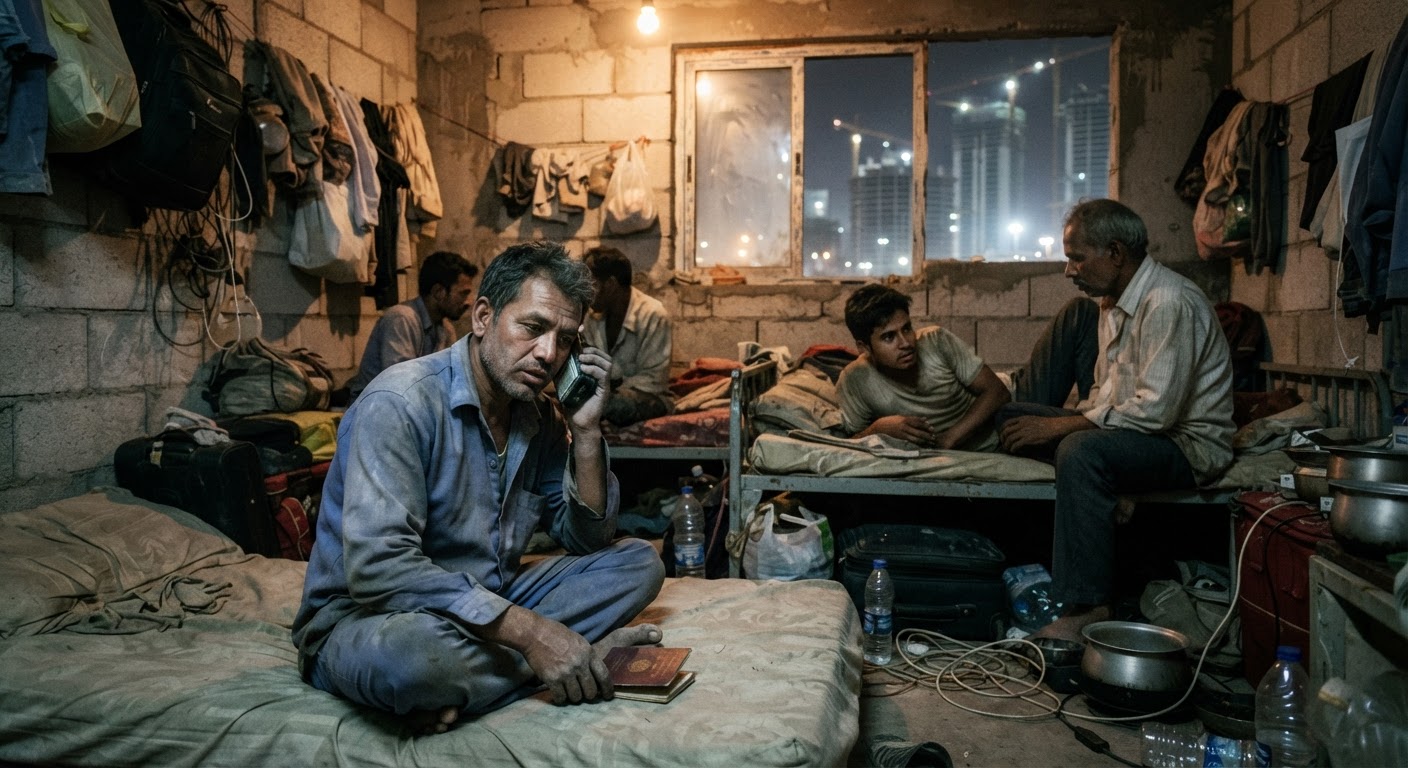
A new report from Human Rights Watch (HRW) has sounded a stark alarm regarding the escalating threats to the safety and livelihoods of millions of migrant workers across the Gulf Cooperation Council (GCC) region. As regional conflicts intensify, workers from nations including India, Pakistan, Bangladesh, and Nepal are finding themselves increasingly vulnerable to both physical harm and severe financial instability.
Physical Dangers Amid Regional Conflict
The findings, released around November 4, 2026, detail a worrying trend of physical danger directly linked to ongoing regional tensions. The report highlights documented instances of conflict-related injuries and fatalities among the migrant workforce in countries such as the UAE and Bahrain.
For many of these workers, the instability of the region is no longer just a political concern but a direct threat to their physical well-being as they navigate environments made increasingly volatile by local conflicts.
The Economic Squeeze: Falling Income and Rising Costs
Beyond the immediate physical risks, the report underscores a deepening economic crisis for the migrant population. Many workers, particularly those in commission-based roles, are reporting a sharp decline in their total income. This loss of earnings is being compounded by a significant rise in the cost of essential goods, specifically food prices.
Despite these shrinking margins, many workers remain burdened by mandatory sponsor fees, which further deplete their limited financial resources. The combination of lower pay, higher living costs, and existing debt creates a precarious cycle of poverty for many expat families.
How the Kafala System Increases Vulnerability
Human Rights Watch identified the kafala system as a primary driver of these heightened risks. By restricting the mobility of workers, the system makes it exceptionally difficult for individuals to relocate or leave areas where tensions are escalating.
This lack of movement, combined with the following systemic issues, leaves workers with little recourse during times of crisis:
- Restricted Mobility: Inability to move away from conflict-affected zones.
- Wage Instability: Frequent reports of delayed wage payments.
- Income Uncertainty: Continued volatility in earnings due to regional economic shifts.
Urgent Calls for Protection and Support
Rights groups emphasize that while the current conflict has acted as a catalyst, the vulnerabilities faced by workers are rooted in long-standing structural issues within the region's labor frameworks. To mitigate these risks, Human Rights Watch is calling on GCC governments and employers to take immediate action, including:
- Emergency Compensation: Implementing measures to support workers hit by economic shocks.
- Contract Enforcement: Ensuring that labor contracts are strictly upheld by employers.
- Embassy Monitoring: Urging origin-country embassies to maintain active oversight and provide direct support to their citizens.
As the situation evolves, observers will be closely monitoring the responses from GCC labor ministries and official embassy advisories to see if these necessary protections are implemented.