Houthi Missiles Hit Saudi Arabia as Trump Warns Iran
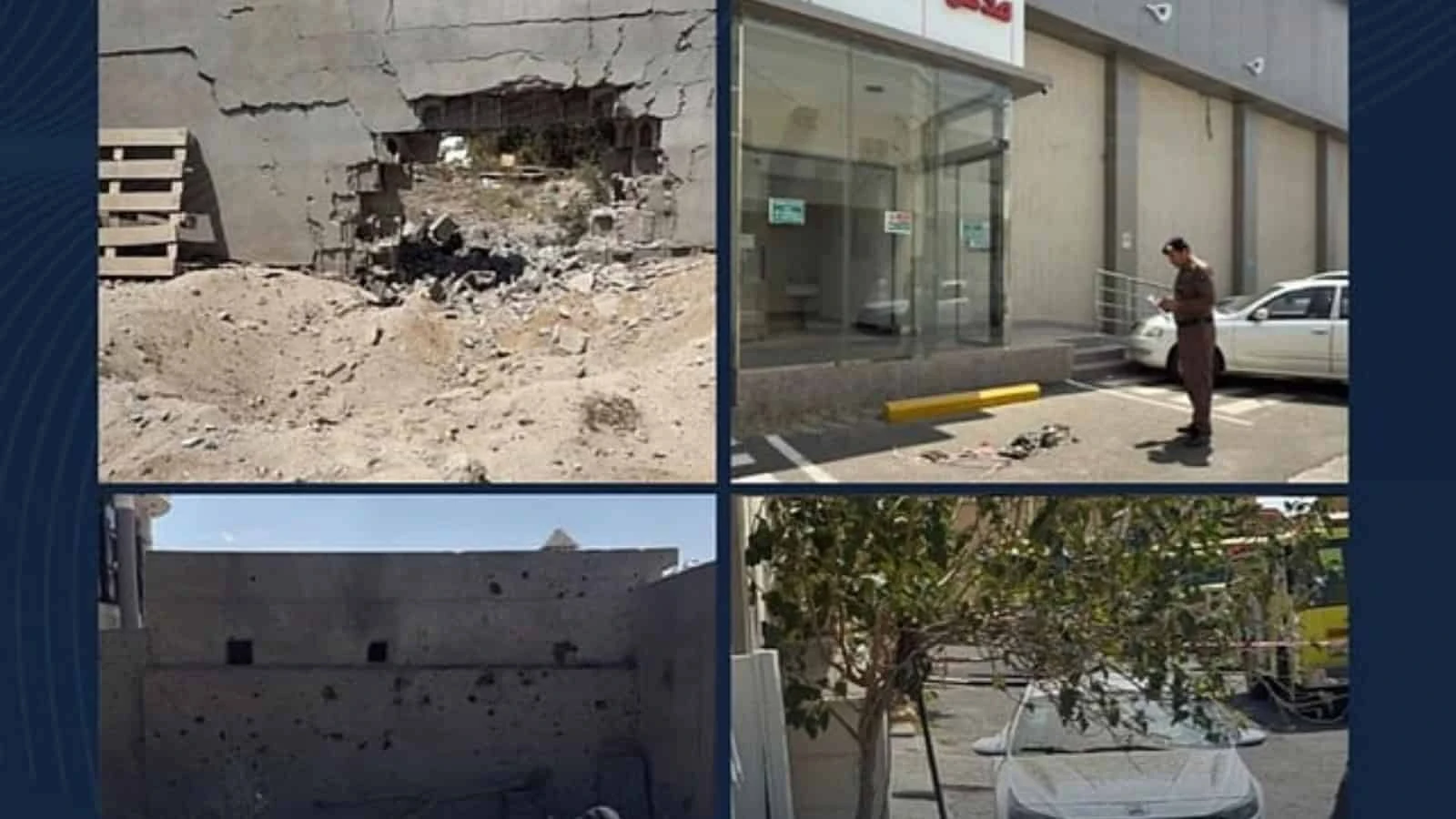
The Middle East is facing a period of intense volatility as Houthi missile strikes hit Saudi Arabia, sending debris raining down on residential streets, even as U.S. President Donald Trump issues a fierce warning to Iran. The escalation comes amid heightened maritime tensions in the Strait of Hormuz and a high-profile aviation security incident involving a flydubai flight.
Missile Debris and Drone Attacks in Saudi Arabia
On Thursday, residential areas in southern Saudi Arabia, specifically in Khamis Mushait and Jazan, were struck by debris from intercepted Houthi missiles. While the strikes caused property damage, Saudi Civil Defense and coalition spokesman Major General Turki Al-Maliki confirmed that there were no casualties reported.
According to official reports, the coalition successfully intercepted two ballistic missiles and shot down four drones. However, the conflict continues to simmer across the region:
- Sanaa: Explosions were reported in the Houthi-controlled capital, which the Houthi-linked Saba agency attributed to Saudi forces.
- Madinah: The Saudi-led coalition reported that Houthi drones struck the Taiba electricity distribution station on Tuesday, damaging a transformer, though the Houthis have denied this claim.
- Aden: Reports suggest potential Houthi missile and drone strikes may be targeting coalition headquarters in Aden.
The flydubai Assault and Trump’s Ultimatum
The regional tension has been further ignited by a serious security breach on flydubai flight FZ1073. On 30 September, a cockpit assault forced the aircraft to make an emergency landing in Tabuk, resulting in injuries to both pilots before crew and passengers could intervene.
U.S. President Donald Trump has responded to the incident by warning that Iran would be "hit very hard" if it is found to be linked to the assault. The UAE Attorney General is currently investigating the attack, with reports suggesting potential Israeli involvement. The fallout has already impacted the aviation sector, with flydubai suspending all flights to Tel Aviv and Emirates ending its codeshare agreement.
Military Escalation and Global Economic Ripples
In a massive show of force, the United States is deploying approximately 9,000 additional sailors and Marines to the region. This deployment includes the USS Theodore Roosevelt and Makin Island carrier groups. Simultaneously, the Pentagon has awarded Raytheon a $24.4 billion contract for the production of SM-6 missiles.
The economic consequences are being felt immediately in the energy and transport sectors:
Energy and Sanctions
Treasury Secretary Scott Bessent has announced new sanctions targeting Iran’s auto and rail sectors. These developments have pushed oil prices upward, with Brent crude trading near $102.60 per barrel and WTI near $93. To stabilize the market, Washington is negotiating with Germany and France for an emergency release of 120 million barrels of diesel.
Maritime and Aviation Disruptions
Maritime security remains precarious. The UK Maritime Trade Operations centre reported a tanker was set ablaze by an unknown projectile in the Strait of Hormuz. Furthermore, Iran’s Persian Gulf Strait Authority alleged that three UAE-linked tankers recently hit in