Houthi Missile Strikes on Saudi Arabia Disrupt Flights and Trade
A series of Houthi missile strikes on Saudi Arabia and drone attacks has thrown regional security into turmoil, targeting critical infrastructure and causing significant disruption to travel and trade across the Gulf.
Rising Civilian Casualties
Since October 1, Iran-backed Houthi rebels have launched a relentless campaign, conducting at least 20 missile and drone strikes against King Khalid International Airport in Riyadh. Recent weekend assaults have been particularly devastating, resulting in the deaths of at least 13 to 14 civilians and leaving more than 300 individuals injured. The casualties include a high number of expatriates from nations such as India and Pakistan.
The scale of the violence was underscored by reports from coalition spokesman Turki al-Maliki, who stated that strikes occurring between October 7 and 11 resulted in 17 deaths and 333 injuries. On October 10, a massive attack involving 10 drones and multiple missiles caused significant damage to the Riyadh airport. The following day, a subsequent strike killed one Pakistani resident and injured 11 others.
The instability has spread beyond Riyadh, with incidents involving intercepts near Medina and attacks on the presidential palace in Aden. Previous strikes in locations such as Abha have also claimed lives, including citizens from the United States, Bangladesh, and India.
Aviation and Travel Disruptions
The ongoing aerial threats have caused widespread chaos in the aviation sector. Major carriers have been forced to suspend or cancel major routes to Saudi Arabia, particularly impacting the South Asian diaspora. Airlines affected by these disruptions include:
- Emirates
- Etihad
- Air Arabia
- flydubai
- Air India and Air India Express
- IndiGo
- Akasa
Many of these flight suspensions are expected to continue through the period of October 20 to 24.
Economic Risks and Regional Security
The conflict is also casting a shadow over regional commerce. Economic impacts are being felt across the oil, LNG, and trade sectors, especially near the Strait of Hormuz, where the IRGC has reported alleged mine strikes on vessels. These tensions have led the IMF to issue warnings regarding the economic growth outlook for the Gulf as of October 16, 2026.
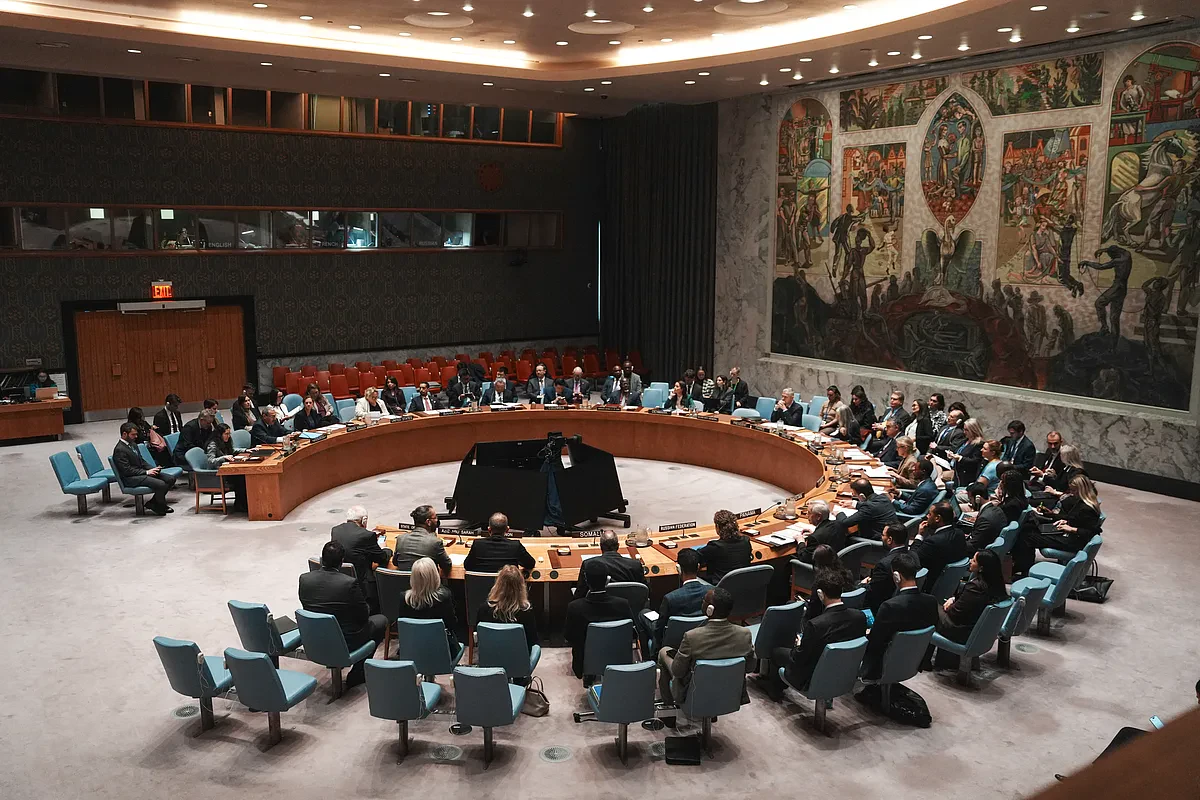
The United Nations Security Council has condemned the Houthi actions as "escalatory" and "reckless," while affirming Saudi Arabia's right to self-defense. Saudi officials have emphasized the urgent need to sever Houthi weapons supply lines to restore stability.
While regional officials in the UAE have described Gulf security as "indivisible," Oman-mediated peace talks remain at a standstill. Amidst this volatility, organizers of the 2027 Asian Cup have maintained that preparations for the event are proceeding on schedule. However, for residents in areas like Najran and Jazan, the threat remains immediate, with heightened alert statuses in place due to continuous aerial threats.