Houthi Missile Strikes Hit Saudi Airports; 3 Dead, Flights Disrupted
A series of missile strikes launched by Iran-aligned Houthi forces from Yemen has targeted civil aviation infrastructure in Saudi Arabia, resulting in three deaths and 36 injuries over the last 48 hours. The attacks have triggered significant disruptions to regional air travel and caused a sharp spike in global oil prices.
Casualties and Damage at Major Airports
The strikes have hit two major aviation hubs, causing loss of life and significant property damage. On Thursday, October 8, 2026, an attack on Abha International Airport claimed the lives of two women—one from Morocco and one from Algeria—while leaving 28 others injured.
Simultaneously, a strike at King Khalid International Airport in Riyadh resulted in the death of one Sudanese national and eight injuries. During the incident at the Riyadh terminal, a commercial Saudia aircraft caught fire after being struck by debris or shrapnel, though no passengers were on board at the time.
While the Saudi-led coalition successfully intercepted two ballistic missiles targeting Riyadh and one aimed at Khamis Mushait, the falling debris caused significant damage on the ground. In Riyadh, intercepted missile fragments landed on a kindergarten and a medical complex, causing property destruction.
Massive Flight Disruptions and Aviation Suspensions
The strikes have thrown regional air travel into chaos. According to data from the Saudi Civil Aviation Authority (GACA) and aviation analytics firm Cirium, nearly 45% of scheduled flights at King Khalid International Airport were either cancelled or disrupted on Thursday. Out of 747 total scheduled flights, 293 were affected.
Several international carriers have responded by suspending operations to Riyadh, with some cancellations expected to last until October 10. Airlines affected include:
- Lufthansa
- Air India
- Akasa
- IndiGo
The instability has also impacted business operations in the capital. Many multinational firms located in Riyadh’s King Abdullah Financial District (KAFD) have directed their employees to work from home, and several schools have issued shelter-in-place orders for students.
Economic Fallout and Maritime Risks
The escalation in hostilities has had an immediate impact on global energy markets. Following the strikes, Brent crude rose 4.1% to $104.28 per barrel, while WTI climbed to $91.49. Regional stock indices in Saudi Arabia and other Gulf nations also saw notable declines.
Maritime security remains a critical concern. The UK Maritime Trade Operations (UKMTO) reported that a tanker was struck approximately 51 nautical miles from Madinat ash-Shamal, Qatar, on Wednesday, highlighting the ongoing vulnerability of shipping lanes in the region.
Diplomatic Tensions and Humanitarian Crisis
As the conflict intensifies, diplomatic efforts are ongoing. U.S. President Donald Trump described recent talks with Iran as "productive," while Iranian Foreign Minister Abbas Araghchi stated that Tehran is reviewing a Washington-led seven-day plan to reopen the Strait of Hormuz.
However, the situation on the ground remains volatile:
- Military Response: The Saudi-led coalition reported striking 82 Houthi military targets, including command centers and missile depots in Saada, Hodeidah, Al-Jawf, and Marib.
- Houthi Counter-strikes: Houthi spokesmen claimed to have carried out over 100 strikes across Sanaa and five other provinces.
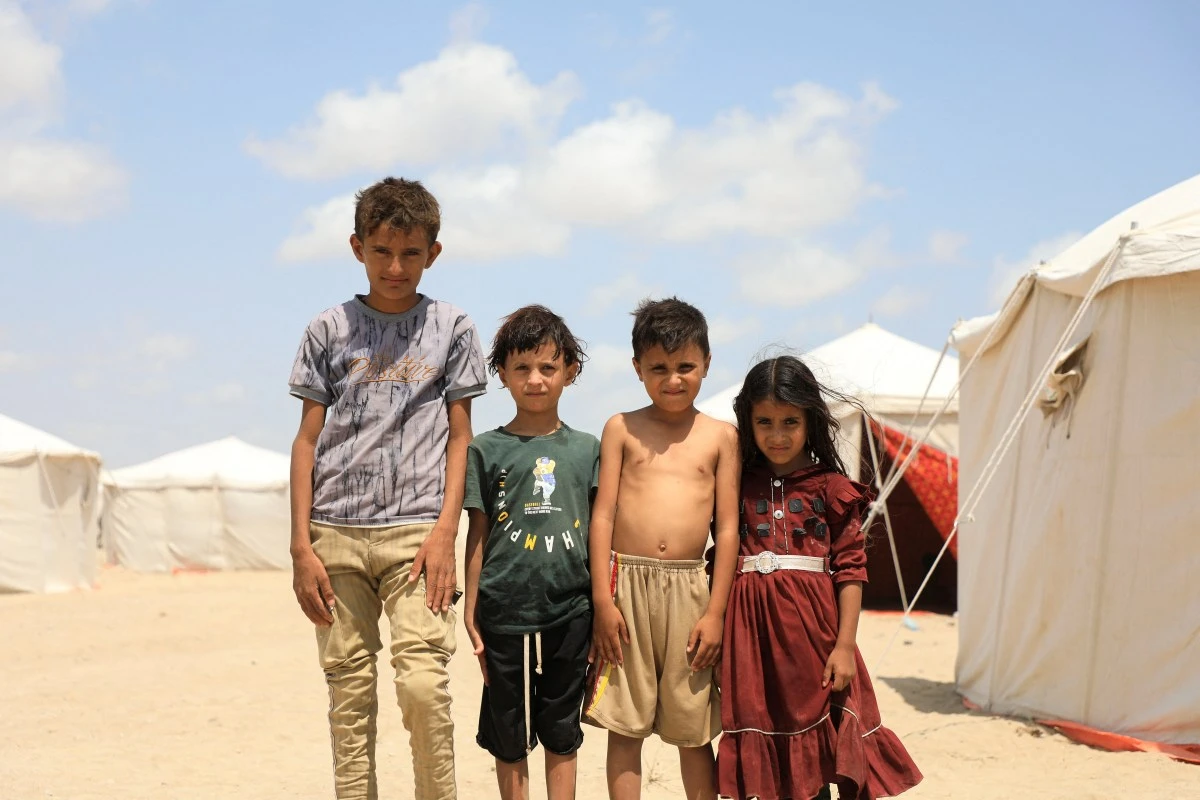
- Humanitarian Impact: Renewed fighting has led to massive displacement, with an estimated 200,000 people fleeing their homes.
In response to the escalating danger, the Indian Embassy in Riyadh has advised Indian citizens to remain vigilant and avoid spreading unverified information, noting that their toll-free helpline, 8002471234, is operational. Similarly, the U.S. Embassy has warned American staff to avoid all areas within 20 miles of the Yemen border.