Houthi Missile Strikes Hit Riyadh Airport, Sparking Regional Chaos
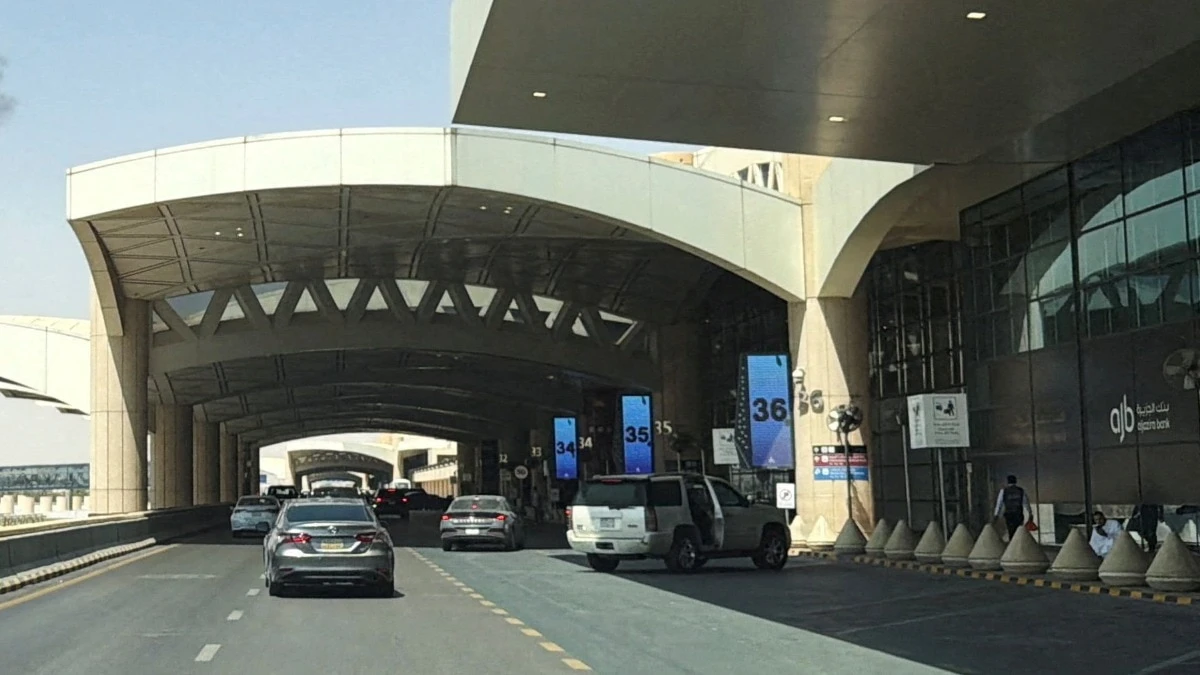
The Gulf region has been plunged into intense instability following a series of Houthi-claimed missile strikes targeting King Khalid International Airport in Riyadh on Thursday. The attacks have resulted in significant casualties and widespread disruption to regional aviation and economic stability.
Throughout the week's escalating attacks, three civilians have been confirmed dead, including nationals from Egypt, Algeria, and Sudan. Additionally, 36 other people have been wounded, with a Pakistani citizen among the injured.
Damage to Civilian Infrastructure
While the Saudi-led coalition reported that it successfully intercepted two ballistic missiles over the capital, the falling debris caused significant damage to civilian areas. Specifically, the wreckage struck a kindergarten and a medical clinic complex.
Houthi military spokesman Yahya Saree claimed the strike was accurate and successfully disrupted airport operations. This was corroborated by data from Flightradar24, which noted a suspension in flight activity at the airport during the incident.
Massive Coalition Counter-Response
In a swift retaliation, Major-General Turki Al-Maliki announced a major coalition operation. The military response aims to target 82 Houthi military sites across several key locations, including:
- Saada
- Hodeidah
- Al-Jawf
- Marib
The targeted sites include critical command centers and missile storage facilities.
Maritime Tensions Near Qatar
The volatility has extended to the sea. A commercial tanker was struck by multiple projectiles approximately 51 nautical miles (94 km) north of Qatar, near Madinat ash Shamal. While the identity of the vessel has not been disclosed, the UK Maritime Trade Operations agency confirmed the incident occurred within Qatar's exclusive economic zone, resulting in casualties.
Geopolitical friction remains high regarding the Strait of Hormuz. While Iran and Oman recently announced an agreement on geographical coordinates for designated safe maritime routes, the U.S. Central Command has challenged these claims. The U.S. asserted that commercial and energy traffic in the strait continues despite reports of potential closures.
Economic Fallout and Travel Disruptions
The escalating conflict has sent shockwaves through regional financial markets. Major indices saw sharp declines following the news:
- Saudi Arabia’s benchmark index: fell 1.6%
- Dubai: fell 1.7%
- Qatar: retreated 2.2%
- Abu Dhabi: declined 1.6%
As geopolitical tensions rise, Brent crude oil prices have fluctuated between $100 and $103 per barrel. This volatility is being felt directly by consumers in the UAE, where October fuel prices are expected to rise by between 11.6% and 16.6%.
Airlines Adjusting Schedules
The security situation has forced major international and regional carriers to alter their flight paths or cancel services to Riyadh, Dubai, and other regional hubs. Affected airlines include:
- Emirates
- Etihad
- flydubai
- Air Arabia
- Philippine Airlines
- Air France
- Cathay Pacific