Houthi Missile Strike on Riyadh Airport Kills 13
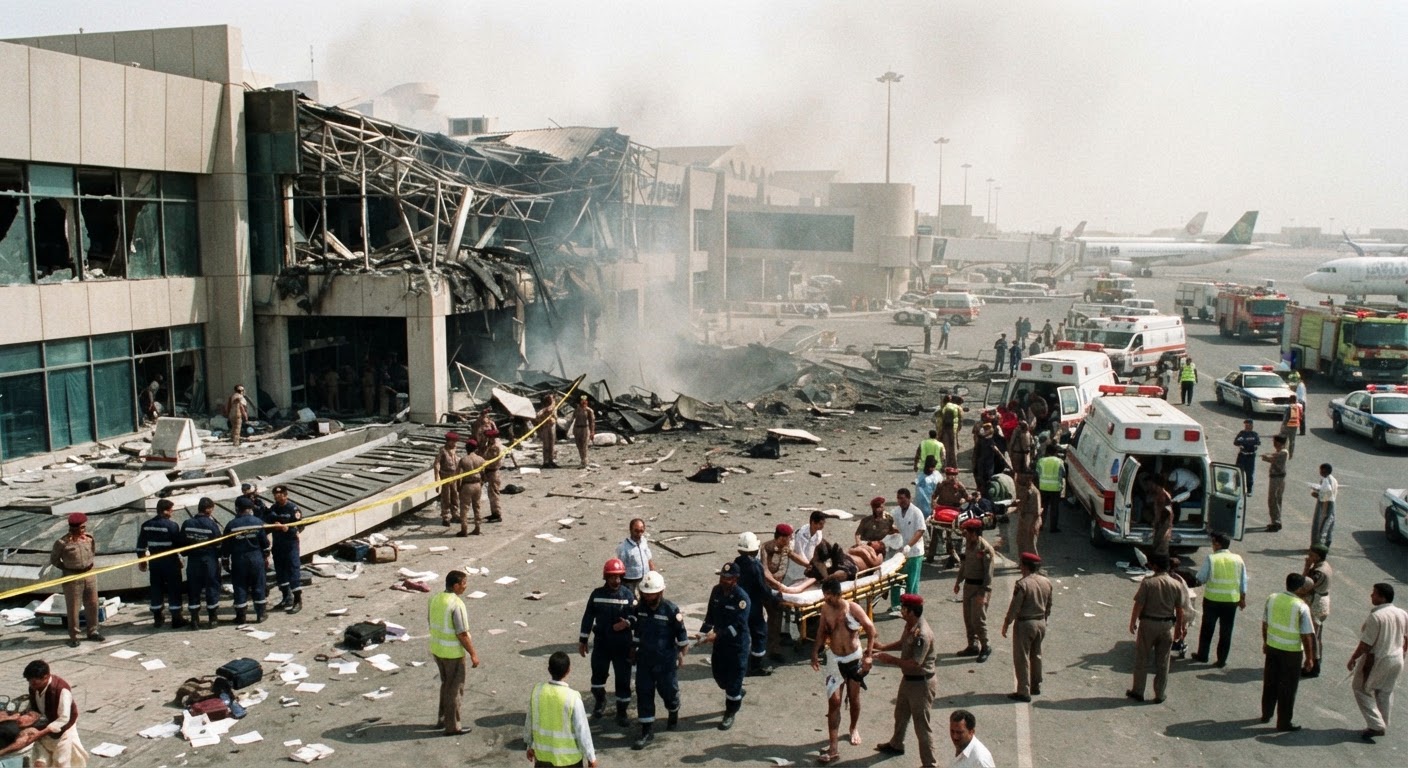
A devastating missile and projectile attack by Iran-backed Houthi rebels struck King Khalid International Airport in Riyadh, Saudi Arabia, on Saturday, October 10, 2026. The assault, which targeted the complex housing Terminals 3 and 4, resulted in 13 deaths and more than 300 injuries, sending shockwaves through the region.
Tragedy for an Indian Family on Pilgrimage
Among the fatalities was Mohammed Yousuf Ali, a 46-year-old IT professional from Mehdipatnam, Hyderabad, who had been working in Riyadh for a decade. The attack turned a sacred family pilgrimage into a nightmare for Ali and his relatives.
Ali was traveling for Umrah with his wife, Sameera, their two sons, Aman Ali (18) and Wasi Ali (16), their 11-year-old daughter, Maryam, and an aunt. While his wife and daughter sustained minor injuries, his sons suffered severe injuries, including the loss of toes and the need for knee surgery. The Indian Embassy in Riyadh has confirmed the death and is providing support for the repatriation of his remains while visiting the injured Indian citizens involved.
Casualties and Continued Attacks
The Saudi General Authority of Civil Aviation (GACA) reported a diverse list of victims. The initial death toll included:
- 4 Saudi nationals
- 2 Bangladeshi nationals
- 1 individual from the United States
- 1 individual from Egypt
- 1 individual from Jordan
- 1 individual from Syria
- 1 individual from Palestine
- 1 individual from Sudan
The violence did not end on Saturday. A subsequent attack on Sunday, October 11, struck Terminal 4, claiming the life of a Pakistani resident and bringing the total death toll to 13.
Widespread Disruption and Economic Impact
The strikes have caused massive chaos in the aviation sector. According to Cirium data, nearly 100% of flights at Riyadh were canceled on Sunday, with roughly 60% of departures facing disruptions on Monday. Beyond the airport, authorities have shifted schools in Riyadh to online instruction as they investigate the security breach.
The Houthi military spokesman, Yahya Saree, claimed responsibility for the operations. The group allegedly targeted several other critical sites, including:
- King Fahd International Airport in Dammam
- The Shugadam gas site
- The Tanajib refinery
The instability has had an immediate effect on global markets, with oil prices climbing to near $105 per barrel due to heightened tensions in the Strait of Hormuz.
Rising Regional Tensions
The attacks have drawn sharp condemnation from international leaders, including India's External Affairs Minister S. Jaishankar and the Ministry of External Affairs. The escalation is closely linked to broader US-Iran tensions that continue to destabilize the Gulf.
Addressing the security implications, UAE Presidential Adviser Anwar Gargash warned that "Gulf security is indivisible," highlighting the collective risk posed by these ongoing conflicts to the entire region.