Houthi Attacks Riyadh as US Rejects Iran's Hormuz Deal
The Middle East faced a surge of tension on Saturday, 26 September 2026, as Iran-backed Houthi militias launched a coordinated strike involving ballistic missiles and armed drones against Saudi Arabia. The targets included the capital, Riyadh, and the strategic military hub of Khamis Mushait.
Despite the intensity of the assault, coalition air defense systems managed to neutralize the threat. Major General Turki Al-Malki, a coalition spokesman, confirmed that two drones heading toward the Riyadh region and two ballistic missiles aimed at Khamis Mushait were intercepted and destroyed before they could reach their intended targets.
Regional Condemnation and Houthi Warnings
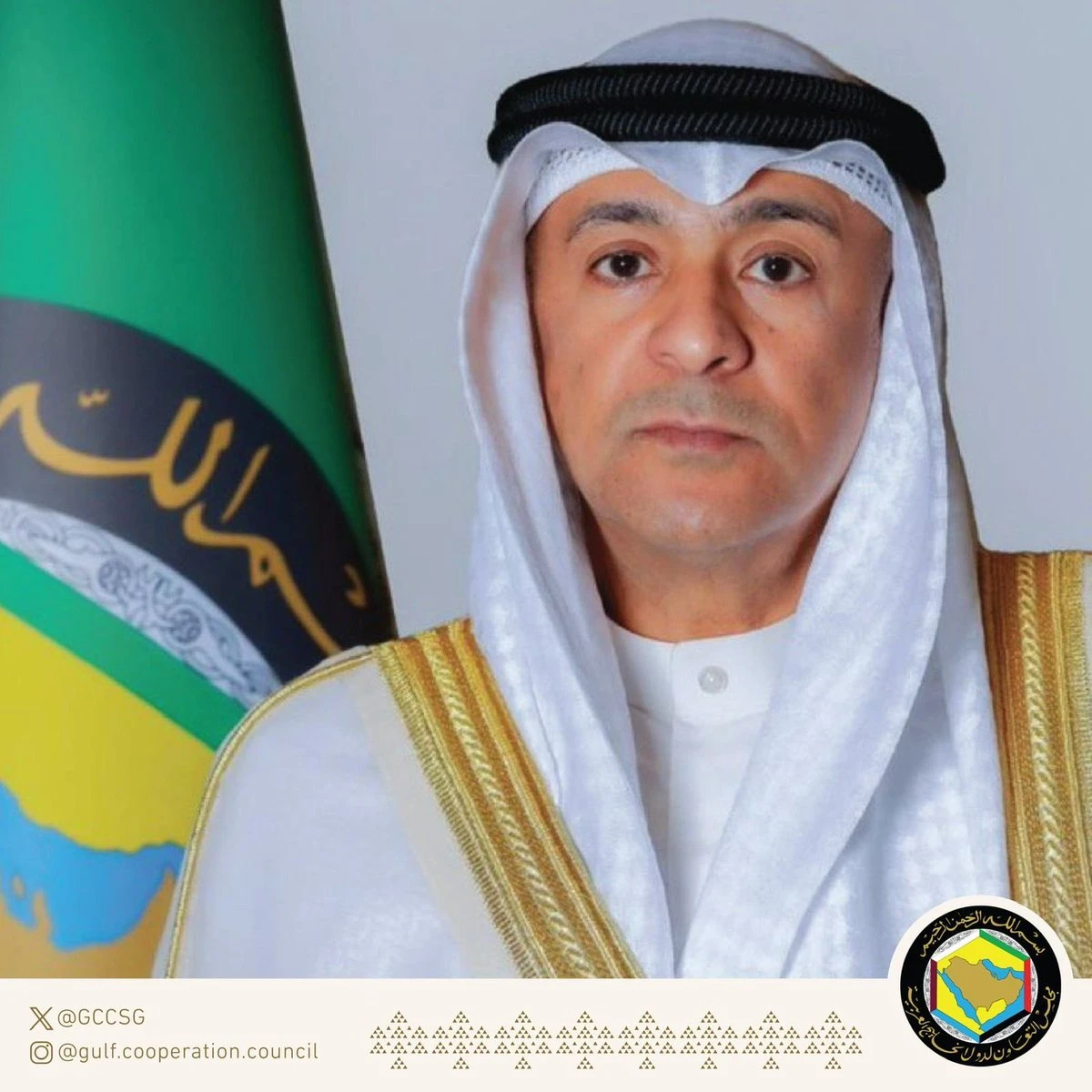
The escalation drew immediate international condemnation. Jasem Mohamed Albudaiwi, the Secretary-General of the Gulf Cooperation Council (GCC), denounced the strikes as a terrorist attack and a direct violation of Saudi sovereignty. He expressed unwavering support for the Kingdom's security measures.
In a chilling statement, Houthi Political Bureau member Hezam Alasad characterized the operation not as a final strike, but as a "small-scale rehearsal" for what he suggested would be a much broader escalation in the region.
Diplomatic Context and Defense Agreements
The missile strikes occurred in the wake of significant diplomatic movements in Riyadh. Saudi Defence Minister Prince Khalid bin Salman recently hosted Pakistan Army Chief Asim Munir. This high-level meeting follows the signing of the Mecca Joint Defense Agreement on 7 August, a pact involving Saudi Arabia, Pakistan, and Turkey designed to bolster regional security.
US Rejects Iranian Proposal for Strait of Hormuz
As regional hostilities intensified, a major diplomatic effort to de-escalate tensions through the Strait of Hormuz hit a wall. U.S. President Donald Trump reportedly rejected a seven-day proposal submitted by Iran via Qatari mediators.
The Iranian plan, presented by Foreign Minister Abbas Araghchi, sought to reopen the Strait of Hormuz and pause regional hostilities, but it was conditioned on several key demands:
- The lifting of existing oil sanctions.
- The release of frozen Iranian assets.
- An end to the naval blockade on Iranian ports.
According to reports from the Wall Street Journal, President Trump dismissed the proposal entirely. Instead of a pause in conflict, the U.S. administration has signaled that a renewed bombing campaign could follow the November midterm elections.
While Oman continues to act as a facilitator for discussions regarding safe passage, the ongoing instability continues to threaten vital shipping routes through both the Strait of Hormuz and the Bab al-Mandeb strait.