Houthi Strikes Hit Aden Palace; 17 Dead in Saudi Airport Attacks
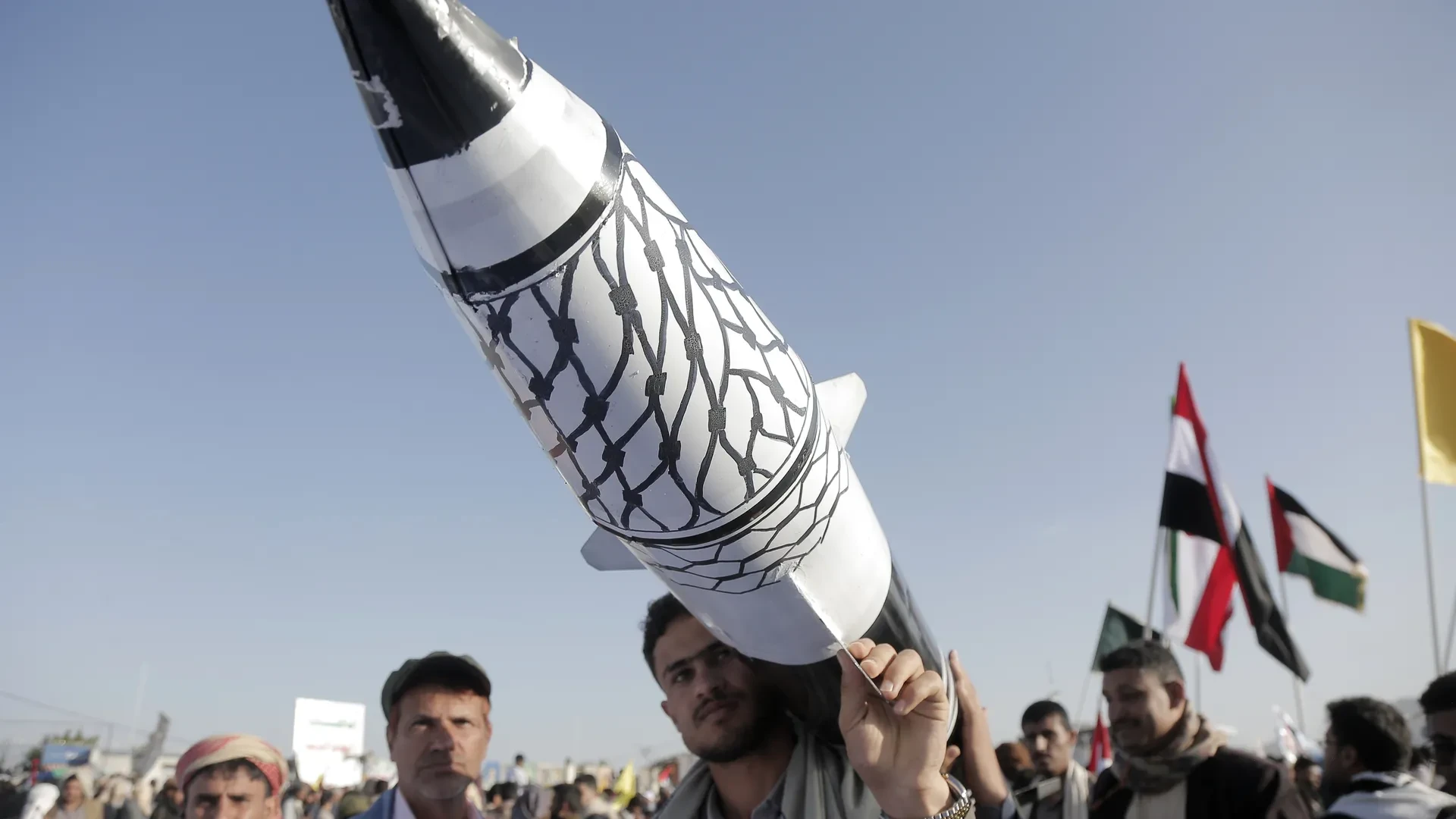
Yemen’s Houthi rebels launched a massive barrage of ballistic missiles and drones at the Al-Maashiq Presidential Palace in Aden on Thursday, targeting the seat of the Saudi-backed government. While high-ranking officials escaped unharmed, the assault has triggered a wave of violence and significant travel chaos across the region.
Casualties in Aden and Riyadh
The attack on the presidential palace in Aden involved five ballistic missiles and several drones. Information Minister Moammar al-Eryani confirmed that while the prime minister and cabinet members were not hit, the strikes claimed the lives of five people and injured 16 security personnel and civilian staff. The Houthis claimed the operation was specifically aimed at targeting Saudi military headquarters and weapons depots located within the complex.
Simultaneously, the scale of the threat to Saudi Arabia has intensified. The Saudi-led coalition reported that Houthi forces have carried out 20 separate attacks on Riyadh’s King Khalid International Airport since October 1. Between October 7 and 11, these strikes resulted in 17 fatalities and 333 injuries, affecting Saudi, Indian, and Pakistani nationals. One notable assault on October 10 involved 10 drones and multiple missiles. In a separate incident, authorities reported the interception of a cruise missile near the city of Medina.
Aviation Chaos and Diplomatic Response
The escalating conflict has severely impacted regional travel and logistics. Major carriers, including Etihad, Emirates, flydubai, and IndiGo, have been forced to ground or cancel flights to key cities such as Riyadh, Jeddah, Dammam, and Madinah. Due to the instability, the GCC-EU summit, which was originally scheduled to take place in Riyadh on October 24, has been postponed.
In response to the escalating violence, UAE President Sheikh Mohamed bin Zayed offered condolences to King Salman, while Federal National Council Speaker Saqr Ghobash condemned the attacks.
Maritime Threats and Infrastructure Risks
Beyond the aerial attacks, maritime security in the Strait of Hormuz has deteriorated rapidly. At least 10 vessels have been struck since Sunday, including an oil tanker damaged in the Gulf of Oman and a container ship that was sunk by a mine. To mitigate the impact of these shipping disruptions on global markets, the International Energy Agency (IEA) has released 330 million barrels from reserves.
A Reuters investigation has further highlighted the strategic nature of these strikes, alleging that Iran and its proxies have conducted at least 135 drone and missile attacks on 84 infrastructure sites across the GCC and Iraq since late February. Reported targets include:
- The Fujairah port in the UAE
- Qatar’s Ras Laffan LNG facilities
- An electrical substation at the UAE’s Barakah nuclear plant
While some Gulf governments have attributed damage to debris from intercepted missiles, analysts suggest that strategic infrastructure is being systematically targeted. The IMF has warned that these ongoing threats to energy and transport lifelines could cause severe economic shocks to the region.