Houthi Missile Attack Hits Saudi Arabia Amid New Defense Pact
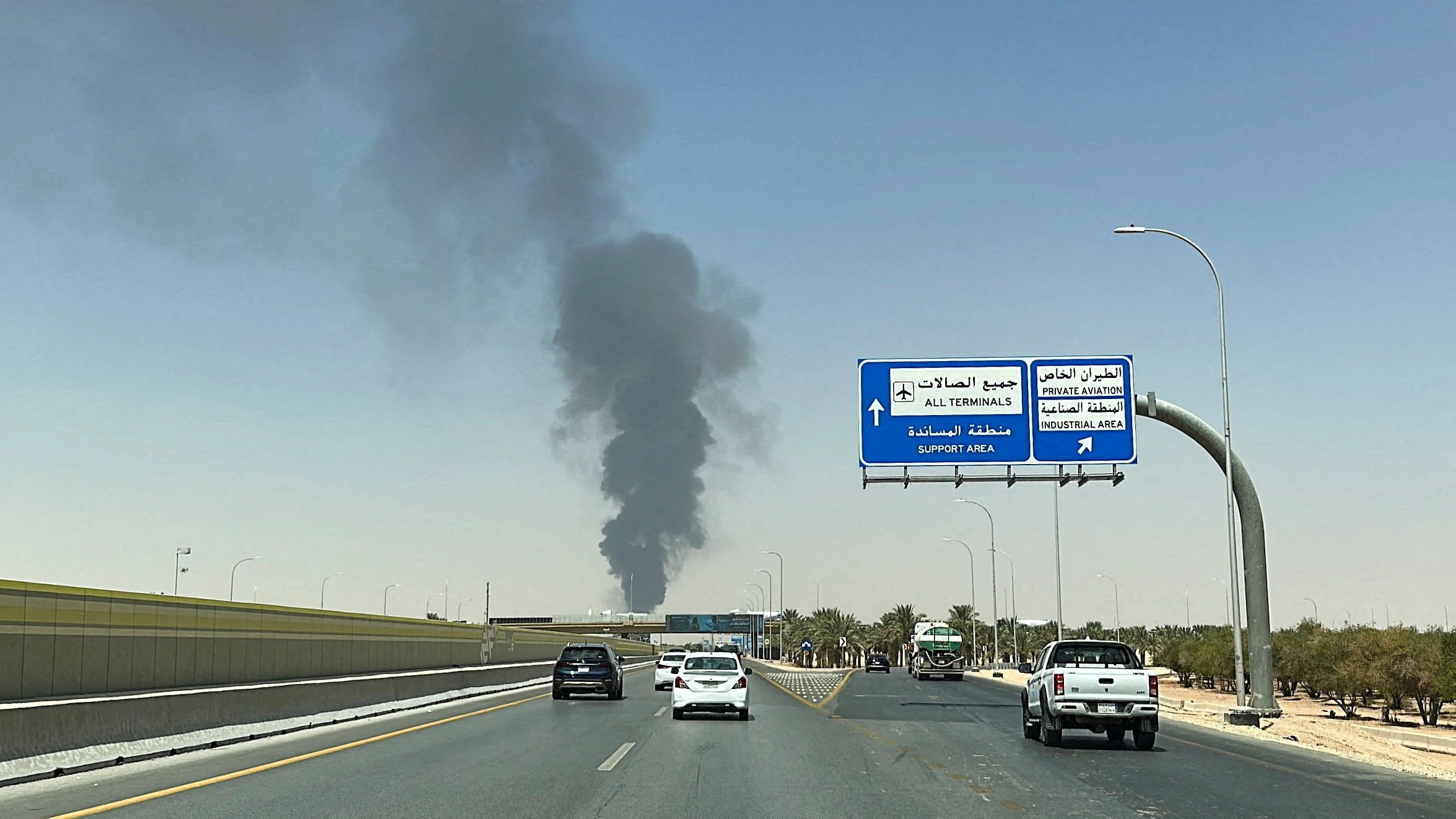
A major Houthi missile attack hit Saudi Arabia in the early hours of Saturday, as Iran-backed militants launched a barrage of ballistic missiles and drones targeting Riyadh and several southern provinces.
Intercepted Strikes and Emergency Alerts
Saudi-led coalition forces acted quickly to neutralize the threat, reporting the successful interception of two ballistic missiles aimed at Khamis Mushait and two drones directed toward the capital, Riyadh. The sudden escalation triggered civil defense sirens across multiple locations, including Abha, Jazan, and Khamis Mushait, as residents were alerted to the incoming projectiles. Fortunately, officials confirmed that no casualties were reported following the aerial strikes.
Activation of the Mecca Joint Defence Agreement
The timing of the assault is particularly significant, occurring as high-ranking military leaders gathered in Riyadh to discuss the newly signed Mecca Joint Defence Agreement. This strategic partnership, involving Saudi Arabia, Turkey, and Pakistan, aims to bolster collective security against regional threats.
Key figures present at the summit included:
- Prince Khalid bin Salman, Saudi Arabia's Defence Minister
- Field Marshal Asim Munir of Pakistan
- General Selcuk Bayraktaroglu of Turkey
The officials pledged a unified front to counter regional aggression. A central pillar of the agreement is its mutual defense clause, which stipulates that any attack on one member nation is treated as an attack on all members.
Geopolitical Friction and Global Responses
As tensions mounted, Iranian President Masoud Pezeshkian attempted to distance his government from the militants. Speaking to Fox News following his address to the United Nations in New York, Pezeshkian claimed that the Houthi group is responsible for its own independent actions.
On the international stage, US President Donald Trump further escalated the rhetoric by labeling the Strait of Hormuz the "Trump Strait" in a map posted on Saturday. This move comes as a rejection of an Iranian proposal to reopen the waterway in exchange for the removal of oil sanctions and naval blockades.