Houthis Claim Saudi Aramco Attack as Yemen Launches Offensive
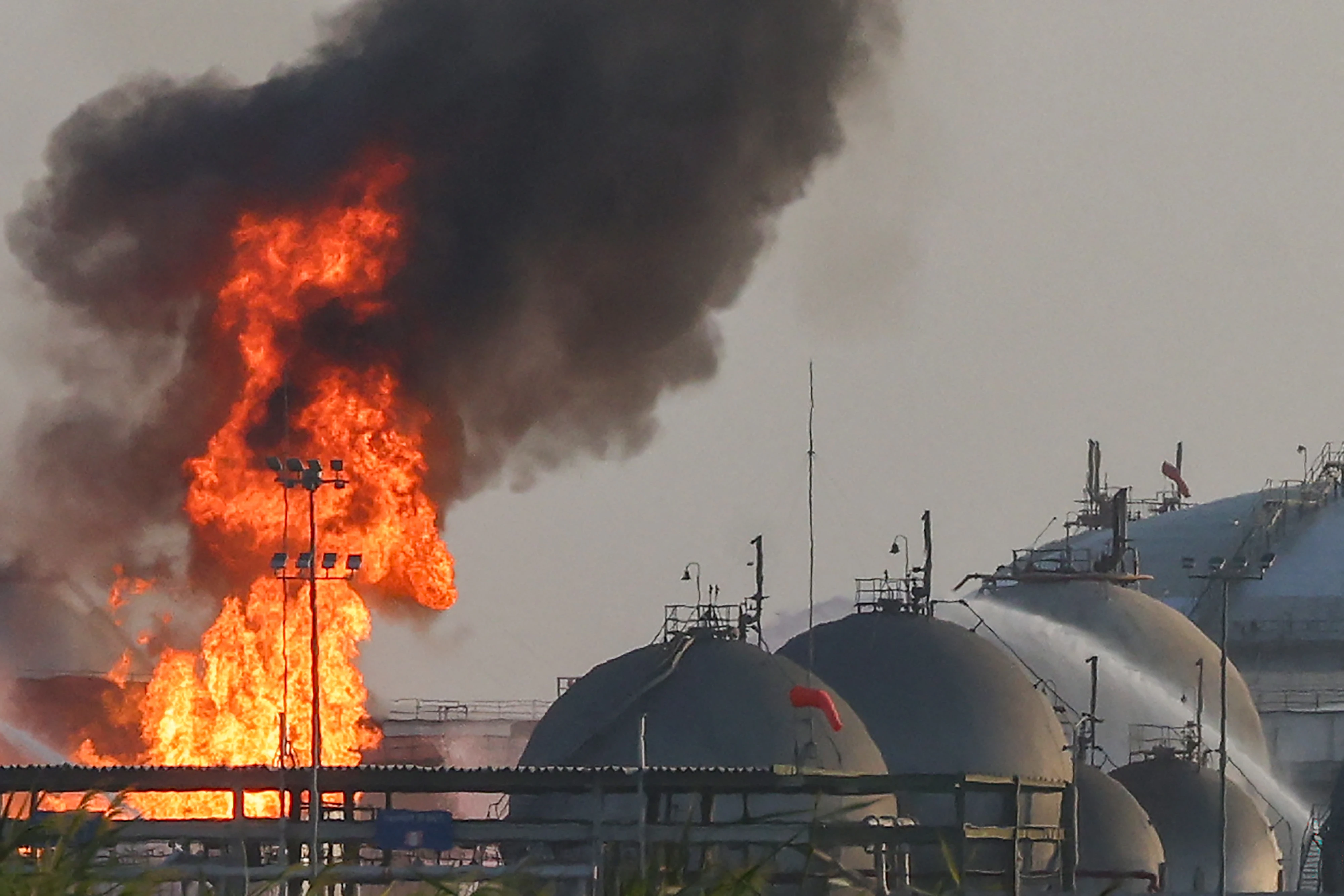
The Middle East faces a new wave of volatility following claims by Houthi rebels that they targeted a Saudi Aramco installation south of Riyadh. The reported strikes, involving both drones and ballistic missiles, come at a time of intense military escalation in Yemen and heightened maritime tensions in the Strait of Hormuz.
Aramco Strikes and Saudi Response
On Saturday, October 3, 2026, reports emerged of flames and significant smoke columns rising from a Saudi Aramco facility. Houthi military spokesman Yahya Saree claimed responsibility for the attack, asserting that the group used ballistic missiles and drones to strike the site. Saree further alleged that additional strikes were directed at Aramco facilities in the Khurais area.
The Houthi group stated these actions were in direct retaliation for approximately 50 Saudi-led air and missile strikes conducted against Yemen in the 12 hours preceding the attack. However, Saudi authorities have not confirmed the cause of the fire, and Major General Turki al-Maliki, spokesman for the Coalition to Restore Legitimacy in Yemen, dismissed the Houthi claims as misleading.
Yemen’s Major Military Campaign
While the focus remains on the reported Aramco strike, the ground war in Yemen has entered a critical phase. Rashad al-Alimi, head of Yemen’s Presidential Leadership Council, announced a full-scale military campaign on Sunday, October 4, 2026, aimed at retaking all remaining territory currently held by Houthi forces.
The announcement follows reports that Houthi units have occupied strategic high ground near Taiz, a move that threatens to cut off the primary supply route to Aden. Government-aligned forces have already reported significant activity, including:
- 97 precision operations conducted against Houthi reinforcements on the Tor al-Baha front and the Taiz axis.
- The neutralization of approximately 260 fighters during early Sunday operations.
- The disabling of numerous military vehicles, according to Brigadier General Majid Abdullah Al-Nuzaili.
Adding to the intensity of the conflict, the Institute for the Study of War noted that at least 13 strikes hit Sanaa on October 3.
Maritime Tensions in the Strait of Hormuz
The instability is not limited to land; the Strait of Hormuz has seen a surge in maritime threats. The UK Maritime Trade Operations (UKMTO) reported two separate tanker strikes over the weekend. One incident occurred four nautical miles off the coast of Oman on Saturday, while a second strike was reported inside the strait on Sunday.
Iran has maintained a hardline stance regarding the waterway. Mohammad Bagher Ghalibaf, the speaker of the Iranian parliament, declared that the Strait of Hormuz will remain closed until Tehran's seven conditions are met. While Foreign Minister Abbas Araghchi indicated a proposal to reopen the route within seven days, Iranian officials emphasized that the waterway remains a high priority. Furthermore, an Iranian army spokesperson stated that the nation has extended its missile range to 1,000 kilometers from the coast.
Global Market Impact
The combination of energy infrastructure threats and maritime insecurity has sent ripples through global markets. As analysts monitor the situation on the Taiz-Aden road and regional shipping lanes, Brent crude has been trading near $102 per barrel.
Regional powers, including the UAE, Qatar, Bahrain, and Oman, continue to navigate the significant economic pressures resulting from this ongoing regional conflict and the potential for further disruption to global oil supplies.