Tensions Rise as Houthis Target Riyadh and Trump Rejects Iran Deal
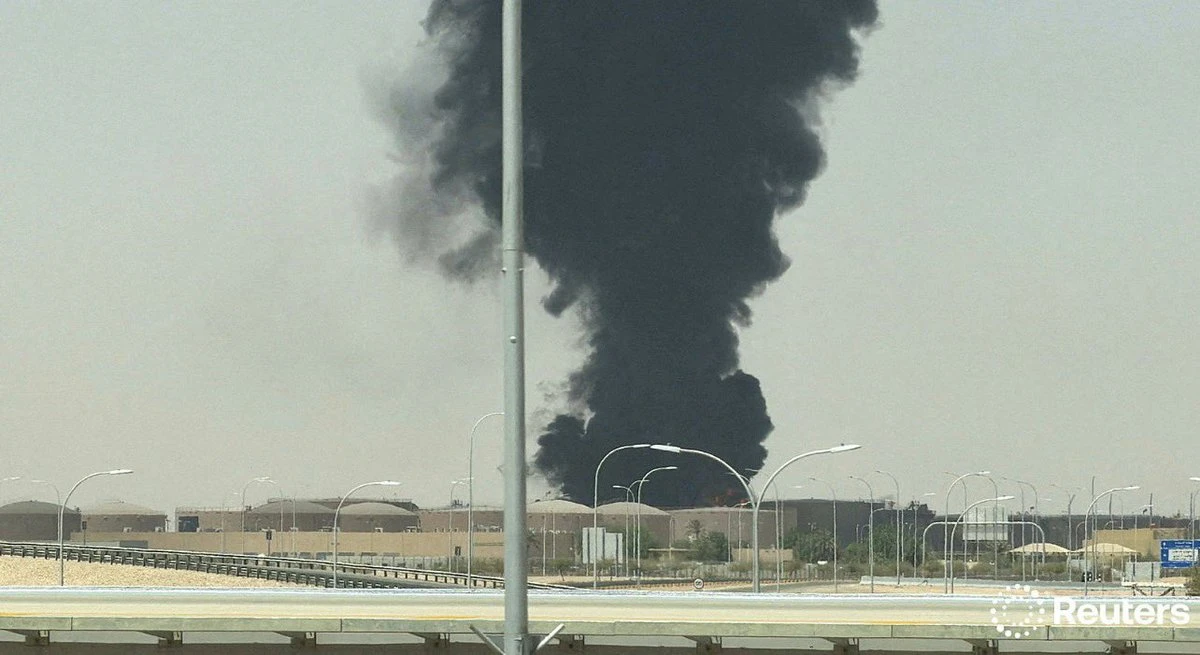
Regional instability has surged following a series of Houthi attacks on Riyadh and other southern Saudi Arabian cities, involving a barrage of drones and ballistic missiles. As these military strikes escalate, the diplomatic landscape has grown even more fractured after U.S. President Donald Trump dismissed a significant peace proposal from Iran regarding the Strait of Hormuz.
Missile and Drone Strikes Hit Saudi Cities
The Saudi-led coalition confirmed that air defense systems were activated on Saturday to intercept multiple threats. Specifically, two Houthi drones directed at the capital, Riyadh, were successfully intercepted, while ballistic missiles aimed at Khamis Mushait were also neutralized. The strikes prompted civil defense authorities to issue urgent overnight alerts for residents in Abha, Jazan, and the surrounding regions.
This latest wave of aggression follows a similar incident approximately one week ago, which targeted a fuel depot located near King Khalid International Airport. Commenting on the recent barrage, Houthi official Hezam Al-Assad described the operation as a "small-scale rehearsal for a full-scale escalation."
Trump Rejects Iran's Strait of Hormuz Proposal
While the skies over Saudi Arabia remained volatile, a major diplomatic development unfolded at the White House. President Donald Trump confirmed he has rejected a seven-day proposal submitted by Iran through Qatari mediators at the UN General Assembly. The Iranian proposal sought to reopen the Strait of Hormuz and resume nuclear negotiations, but it came with several heavy conditions.
According to the proposal, Iran requested that the United States:
- Lift the naval blockade currently affecting Iranian ports.
- Waive existing oil sanctions.
- Release frozen Iranian assets.
- Observe a ceasefire in both Yemen and Lebanon.
President Trump dismissed the offer, labeling it "not acceptable" due to skepticism regarding Iran's commitment to meeting core U.S. demands. Reports suggest the U.S. administration is currently evaluating the possibility of military strikes following the November midterms.
Regional Response and Impact on Expatriates
The escalating conflict has placed the security of the entire Gulf region—including the UAE, Bahrain, Qatar, and Oman—under intense scrutiny. The UN Security Council, the GCC Secretary-General, and various Arab interior ministers have all issued condemnations regarding the strikes on civilian and energy infrastructure.
In response to the growing threat, several nations have mobilized:
- Pakistan: The Prime Minister declared that any threat to the holy city of Makkah constitutes a "red line."
- Military Coordination: Defense leaders from Saudi Arabia, Turkey, and Pakistan have convened in Riyadh to strengthen their existing defense pact.
- Religious Leadership: Saudi Grand Mufti Sheikh Saleh Al-Fawzan has called for military unity in the face of these provocations.
For the millions of expatriates living in major hubs such as Riyadh, Jeddah, Dubai, Doha, and Manama, the tension is a daily reality. Many residents continue to deal with frequent air-raid alerts and significant flight disruptions as Houthi forces maintain their threats against Saudi energy export routes and regional stability.