Houthi Attacks on Saudi Arabia: Drones and Missiles Strike Riyadh
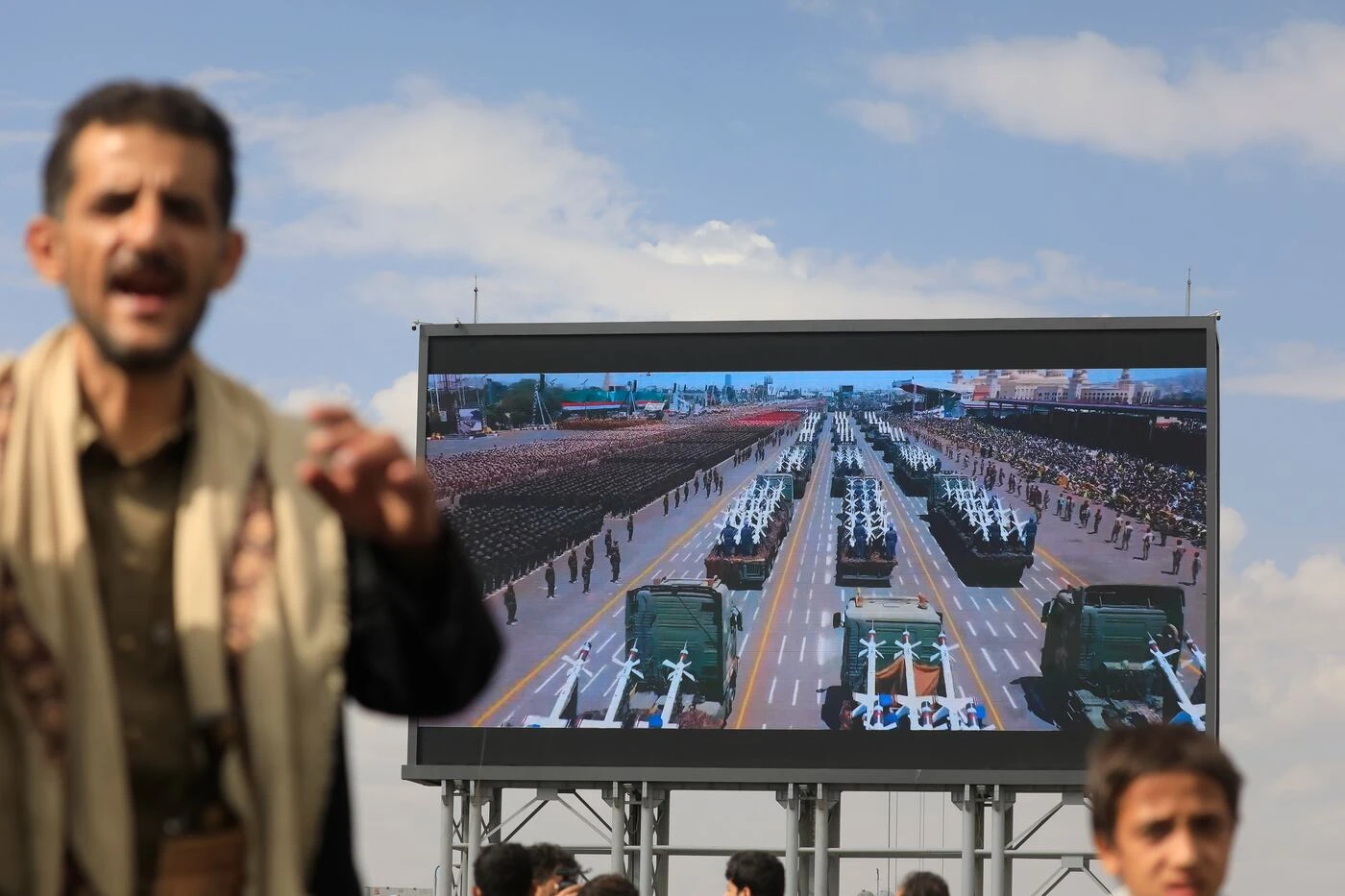
In the early hours of Saturday, the region faced a surge in volatility as Houthi attacks on Saudi Arabia targeted key cities with drones and ballistic missiles. The aerial strikes, launched by Iran-backed militants, aimed at the capital, Riyadh, and the strategic military hub of Khamis Mushait, prompting immediate responses from Saudi air defenses.
Air Defenses Intercept Incoming Projectiles
According to the Coalition to Support Legitimacy in Yemen, Saudi air defense systems successfully intercepted and destroyed the incoming threats. The interceptions included:
- Two drones that were heading toward the capital, Riyadh.
- Two ballistic missiles aimed at Khamis Mushait, a location that hosts a major strategic air base.
While no sirens were triggered in Riyadh during the event, civil defense alerts were activated for both Abha and Khamis Mushait to ensure public safety. The scale of the operation was not lost on the militants themselves; Hezam Al-Assad, a member of the Houthi political bureau, described the operation as a significant signal.
"A small-scale rehearsal for a full-scale escalation."
Geopolitical Tensions and Military Alliances
The timing of these strikes is particularly sensitive, occurring shortly after high-level military leaders from Saudi Arabia, Turkey, and Pakistan met in Riyadh to discuss a collective defense agreement. The escalation has drawn sharp reactions from regional leaders and international bodies alike.
Pakistan's prime minister has responded by declaring a "red line" regarding the security of Islam’s two holy mosques. Simultaneously, the Saudi Grand Mufti, Sheikh Saleh al-Fawzan, issued a public appeal urging border troops to remain unified in the face of the threat. On the global stage, the United Nations Security Council has condemned the attacks, specifically noting the impact on Saudi civilians.
Broader Implications for the Gulf and Global Markets
The military escalation comes amidst a backdrop of intense diplomatic friction. This follows U.S. President Trump’s recent rejection of a seven-day plan proposed by Iran to reopen the Strait of Hormuz, a move the President labeled as unacceptable. As Houthi forces continue to threaten the Red Sea corridor, the economic ripple effects are becoming increasingly evident.
The ongoing instability is contributing to:
- Increased volatility in oil prices.
- Rising costs for shipping insurance in the region.
- Heightened concerns regarding energy contracts and air travel safety.
While Iran maintains that Houthi operations are independent of its direct control, Gulf nations are closely monitoring the situation. There is growing concern among authorities in the UAE, Bahrain, Qatar, Saudi Arabia, and Oman regarding the long-term security of expatriate workforces and