Houthi Strikes on Riyadh Airport Leave 17 Dead, Hundreds Injured
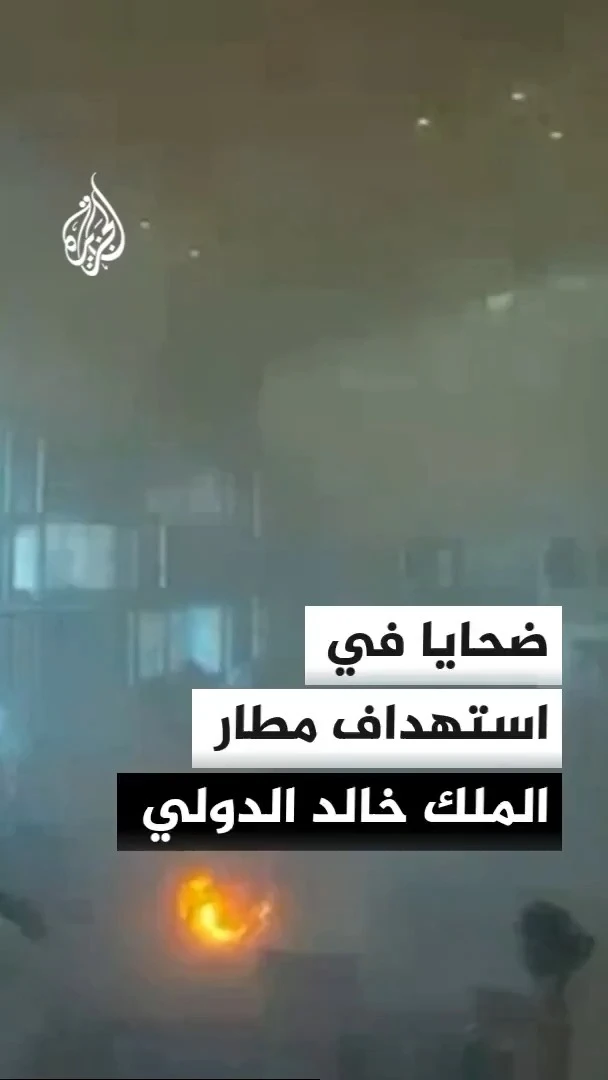
A series of violent missile and drone attacks targeting King Khalid International Airport in Riyadh has resulted in 17 deaths and 333 injuries. Between October 7 and October 11, Houthi rebels launched a total of 20 separate strikes against the aviation hub, according to information disclosed by coalition spokesman Turki Al Maliki.
Tragic Casualties and International Victims
The barrages have claimed lives from a wide range of nationalities, including citizens from Saudi Arabia, Bangladesh, the United States, Egypt, Jordan, Syria, Palestine, and Sudan. Among the most heart-wrenching losses was the death of Mohammed Yousuf, an Indian IT professional from Hyderabad. He was killed alongside his wife and three children during a massive strike on October 10 that involved 10 drones and various missiles.
Further casualties included a Pakistani national who died during a subsequent strike on October 11. The scale of the violence extended beyond the airport, as a Houthi strike on the presidential palace complex in Aden also claimed the lives of five government-aligned personnel.
Massive Aviation Disruptions and Airport Closure
The security situation has brought commercial aviation in the region to a near standstill. King Khalid International Airport remains closed, with all operations suspended until at least mid-October. This has triggered a wave of flight cancellations and suspensions across major regional carriers:
- Air India and Air India Express: Flight cancellations for Riyadh, Dammam, and Jeddah have been extended until October 20.
- IndiGo: Flights to Riyadh, Jeddah, Dammam, and Madinah are suspended until October 24.
- Etihad, Emirates, flydubai, and Air Arabia: All have reported numerous route cancellations due to the instability.
The instability has also forced the postponement of the EU-GCC summit, which was originally scheduled to take place in Riyadh on October 24.
Rising Regional Tensions and Maritime Threats
The conflict is placing immense pressure on maritime security. Since Sunday, at least 10 vessels have been reported struck in and around the Strait of Hormuz. Additionally, the Iranian IRGC claims that a container ship carrying over 2,500 containers sank after striking a mine near Oman.
The United Nations Security Council issued a unanimous presidential statement on Thursday, condemning the strikes and affirming Saudi Arabia's right to self-defense while denouncing the growing threats to Red Sea shipping lanes.
UAE Response and Economic Outlook
In response to the escalating crisis, UAE President Sheikh Mohamed bin Zayed offered his condolences to King Salman. Meanwhile, diplomatic adviser Anwar Gargash has called for enhanced joint defense measures among Gulf nations to combat the regional instability.
The economic implications are significant. The IMF has warned that the ongoing conflict, which stems from the US-Israel campaign against Iran, could cause long-term economic damage to the nations of the Gulf.