Hormuz Under Fire: Tanker Attacks Trigger IRGC War Threats
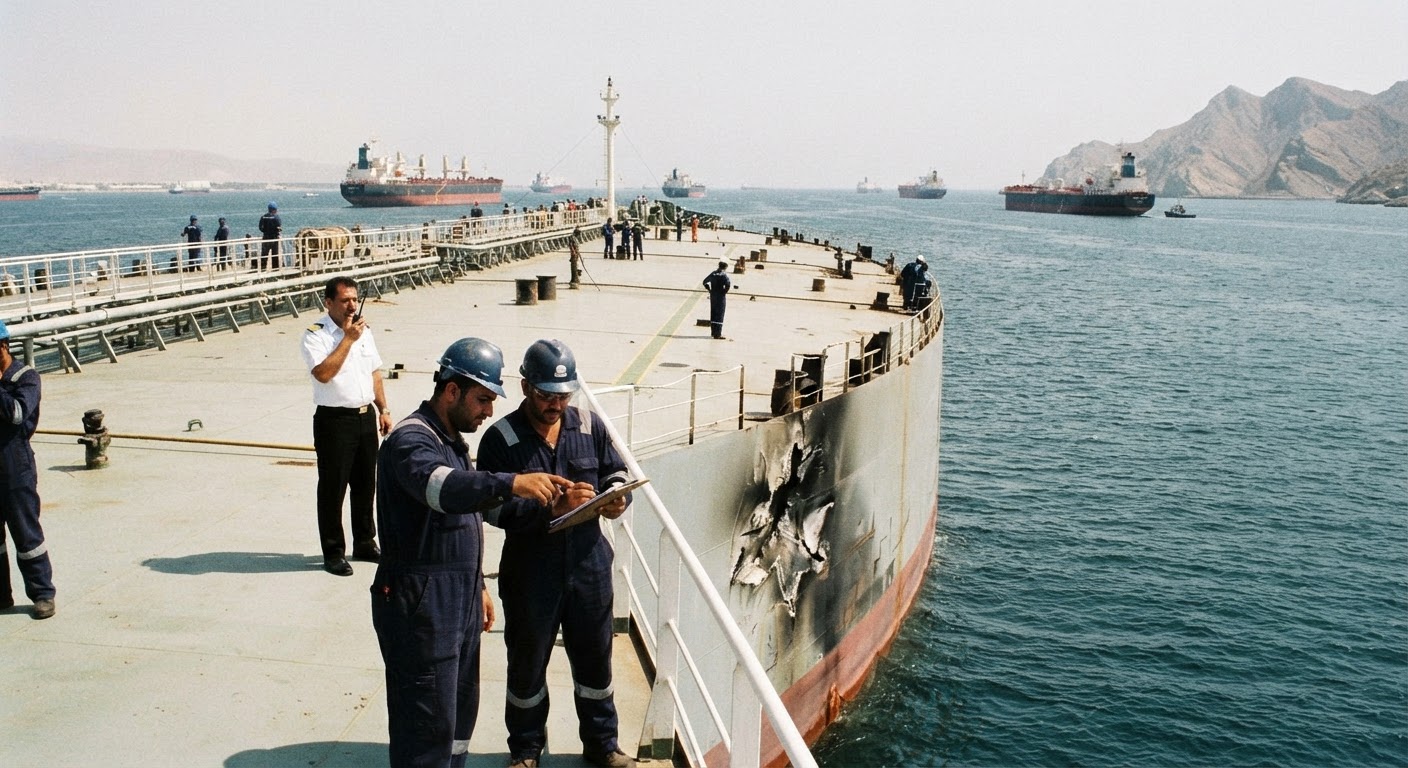
The Strait of Hormuz has become a flashpoint for renewed maritime aggression following two separate attacks on commercial vessels on September 21, 2026. These incidents, reported by the United Kingdom Maritime Trade Operations (UKMTO), have triggered severe warnings from Iranian military leadership and a significant decline in regional shipping traffic.
Maritime Strikes and Shipping Collapse
The chaos unfolded in two distinct stages within the critical waterway. In the first incident, an inbound tanker was struck by an unknown projectile. While the impact resulted in minor injuries to two crew members, the vessel managed to continue its journey under its own power. Shortly thereafter, an LPG tanker exiting the strait was hit by debris from unidentified projectiles. Fortunately, the crew remained safe, and no environmental damage or leaks were reported from the vessel.
The security vacuum is already having a visible impact on global trade. The volume of ships passing through the strait has plummeted:
- Current Weekend Traffic: Only 17 commodity vessels recorded.
- Previous Week: 37 vessels.
- Pre-February 2026 Average: Approximately 125 ships per day.
Iran Vows to Change the "Geography of War"
In the wake of the attacks, the Islamic Revolutionary Guard Corps (IRGC) has escalated its rhetoric. IRGC spokesman Brig. Gen. Hossein Mohebbi issued a chilling warning, stating that if the United States resumes military attacks, Iran is prepared to alter both the weaponry and the geography of the war by introducing entirely new capabilities to the battlefield.
Mohebbi further claimed that the strategic landscape has already shifted, alleging that many U.S. bases in the region have been neutralized, forcing Washington to relocate its personnel. This sentiment was echoed by Army commander Amir Hatami, who confirmed that Iranian forces remain on full alert following the joint statement from Iran’s armed forces vowing defeat to the U.S. and its allies.
Diplomatic Movements Amidst Escalation
As military tensions rise, high-level diplomatic maneuvers are underway:
- Iranian President Masoud Pezeshkian has departed for the UN General Assembly in New York.
- Foreign Minister Abbas Araghchi is making a strategic stop in Qatar during his transit.
- Pakistan’s Interior Minister Mohsin Naqvi has held bilateral discussions in Tehran.
Aviation Sanctions and Economic Isolation
The conflict is moving into the skies as well. U.S. Treasury Secretary Scott Bessent announced that, effective September 23, Iranian airlines will be effectively barred from international operations. The mandate includes strict penalties for any entity found providing essential services such as fueling or ticketing to these carriers.
In a related move, Turkish Airlines has officially suspended all flights to Iran, a restriction that is expected to remain in place until at least March 2027.
A Multi-Front Conflict: Saudi Arabia and the Houthis
Tensions are simultaneously mounting on a second front as Houthi forces continue to target Saudi Arabia with a barrage of missiles and drones. While Saudi air defenses recently intercepted a ballistic missile over Riyadh, the geopolitical response remains divided.
U.S. President Donald Trump has declined requests from Saudi Crown Prince Mohammed bin Salman to join direct attacks against Houthi positions, though the U.S. continues to provide critical intelligence support. Meanwhile, France has stepped forward, offering defensive assistance to help secure Saudi energy infrastructure. Amidst this volatility, Qatar continues its role as a mediator between Tehran and Washington, even as Iran maintains a significant military presence in Yemen near Mokha.