Gulf Security Crisis: Maritime Attacks and Drone Strikes
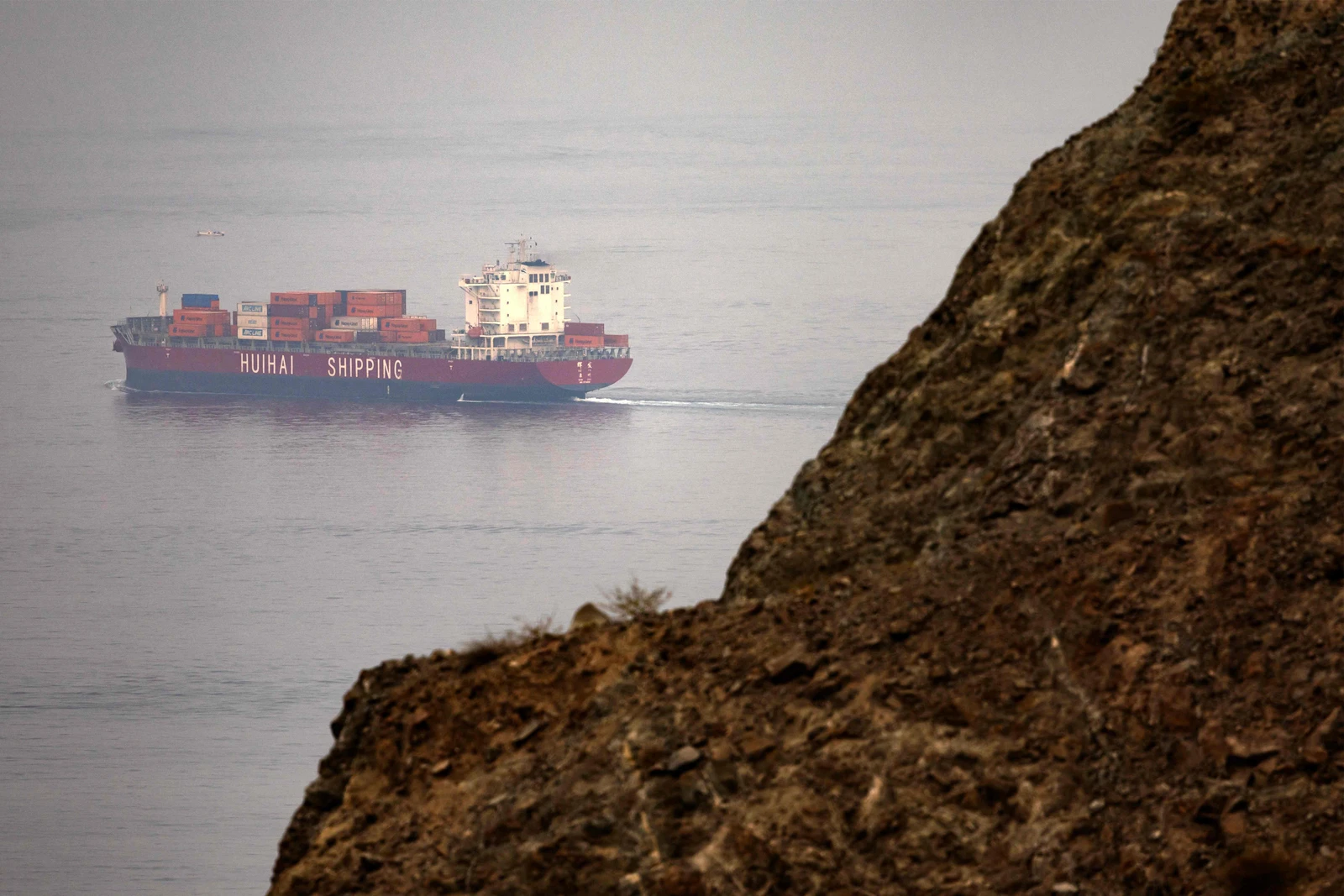
Regional instability has reached a critical peak as maritime attacks near the UAE and drone strikes across Saudi Arabia disrupt vital shipping lanes and air travel. The escalation includes projectile strikes on vessels near the UAE coast and intense aerial warfare in Saudi territory, leaving the region's security and economy in a state of high alert.
Maritime Attacks Near UAE Waters
On Sunday, October 18, 2026, a tugboat operating near Khor Fakkan, UAE, was struck by two unidentified projectiles. According to the UK Maritime Trade Operations (UKMTO), the attack resulted in damage to the vessel and one minor injury. This incident follows a separate targeting of an LNG tanker off the coast of Mukalla, Yemen, which was fired upon by armed individuals on a skiff.
The frequency of maritime violence is rising sharply. UKMTO reported that between October 8 and 14, 14 vessels were attacked, representing the highest weekly frequency of such incidents since the conflict involving Iran began in late February. Key statistics regarding the maritime disruption include:
- The total number of maritime incidents since March has now exceeded 149.
- Vessel transits through the Strait of Hormuz have dropped significantly, falling to 42 in the recent period compared to 60 the previous week.
- A US naval blockade has reportedly forced the redirection of at least 138 ships.
Aerial Warfare and Saudi Incidents
Simultaneously, the Saudi-led coalition has been engaged in heavy aerial combat, intercepting multiple unmanned aerial vehicles (UAVs) over Riyadh and the Eastern Province. On Sunday, two ballistic missiles targeted Khamis Mushait, prompting authorities to issue mobile alerts to residents in Riyadh regarding hostile aerial threats.
The conflict has also resulted in military casualties. An AH-6i National Guard reconnaissance helicopter crashed in Najran due to a technical malfunction, resulting in two fatalities. However, the Houthi movement has contested the cause, with spokesman Yahya Saree claiming their forces successfully downed a Saudi Apache in the same location.
Aviation and Travel Disruptions
The security crisis is heavily impacting regional travel. Following earlier attacks on King Khalid International Airport, which caused at least 17 deaths and hundreds of injuries, flight suspensions have become a recurring issue. Major airlines, including Emirates, Etihad, Air Arabia, flydubai, Air India, and IndiGo, have extended flight cancellations to Saudi destinations such as Riyadh, Jeddah, and Dammam through late October.
International travel warnings have also been issued by the US, UK, and Australia, specifically concerning the Yemen border and Saudi airports.
Economic and Diplomatic Fallout
The geopolitical tension is placing immense pressure on global markets. Oil prices are currently hovering near $110 per barrel, as energy supplies—which account for 20% of the world's oil—remain highly vulnerable to the ongoing instability.
Diplomatic efforts are underway to manage the crisis:
- Egypt: President el-Sisi has offered support to Saudi Arabia.
- UAE: Adviser Anwar Gargash has emphasized the urgent need for Gulf unity.
- Iran: Foreign Minister Abbas Araghchi has proposed a seven-day plan, via Qatar, to reopen the Strait of Hormuz.
- United States: President Donald Trump expressed expectations that the war would end quickly, while Vice President JD Vance stated that US naval operations are focused on stabilizing gas prices.
As the situation evolves, GCC foreign ministers are scheduled to meet in Manama to address the instability and its impact on the region's local populations and the vast expatriate workforce.