Gulf Crisis: Missile Attacks and Maritime Sabotage Strike Region
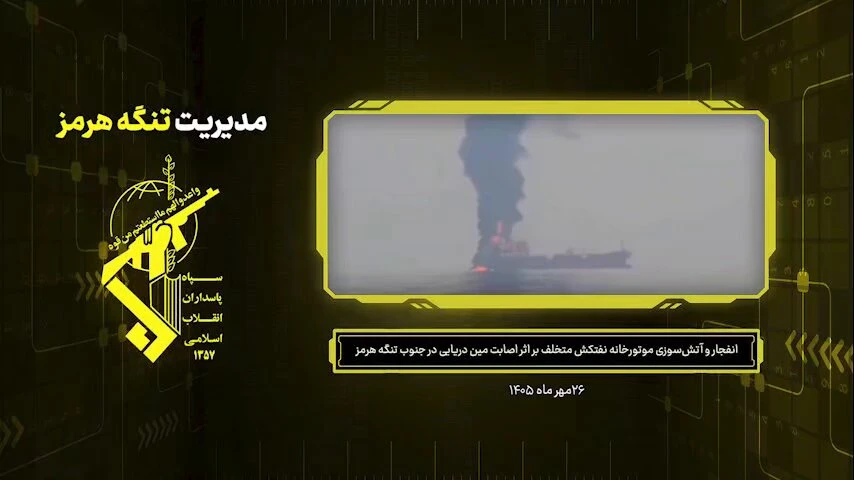
The Arabian Peninsula has been thrust into a period of intense instability following a wave of coordinated missile attacks and maritime sabotage. On October 18 and 19, 2026, the region witnessed a significant escalation in hostilities, as Yemen-based Houthi rebels targeted Saudi Arabian territory and commercial vessels faced strikes near the UAE coast.
Aerial Warfare and Fatalities in Saudi Arabia
The Saudi-led coalition confirmed the interception of multiple drones over Riyadh and the Eastern Province. The barrage also included two ballistic missiles targeted at Khamis Mushait. The conflict has already resulted in loss of life; two Saudi National Guard officers were killed in Najran following the crash of an AH-6i reconnaissance helicopter.
While coalition spokesman Major General Turki Al-Maliki attributed the crash to a technical malfunction, Houthi fighters have claimed responsibility for shooting down the Apache helicopter. Furthermore, reports indicate that a Saudi strike in Saada resulted in the deaths of nine civilians.
Maritime Chaos and Energy Market Volatility
Maritime security has deteriorated significantly, threatening vital shipping lanes. The UK Maritime Trade Operations (UKMTO) confirmed that a southbound tug, located northeast of Khor Fakkan in the UAE, was struck by two unidentified projectiles, resulting in one minor injury.
The situation in the Strait of Hormuz and the Sea of Oman is equally dire. Iran has alleged that several tankers caught fire after striking naval mines, citing regulatory violations. Adding to the chaos, gunmen reportedly opened fire on an LNG tanker near the Yemeni coast. These combined maritime threats have triggered immediate volatility across global energy markets.
Major Flight Suspensions and Expat Disruption
The escalating tension has forced several major airlines to implement immediate travel restrictions. Emirates, Etihad, Air India, and IndiGo have all suspended flights to Riyadh, Dammam, and Jeddah, with services expected to remain grounded until at least October 24.
This disruption is causing significant hardship for large expatriate populations from nations including India, Pakistan, and Bangladesh, who face stranded travel and heightened security restrictions. In response to the instability, authorities in Saudi Arabia have warned the public against filming aerial defense operations, while UAE residents have been advised to monitor official communications closely.
Diplomatic and Military Response
The GCC Ministerial Council convened in Manama, Bahrain, to condemn the Houthi attacks, characterizing them as terrorist acts targeting civilian infrastructure and areas near the Two Holy Mosques. The Council has invoked joint defense agreements and demanded that the Houthi movement be formally designated as a terrorist entity, while holding Iran accountable for proxy strikes.
High-level emergency talks are currently underway. Saudi Defense Minister Prince Khalid bin Salman met in Abu Dhabi with UAE President Sheikh Mohamed bin Zayed and Vice President Sheikh Mansour to coordinate a regional response. Additionally, Egyptian President Sisi has pledged potential military support to the region.
Geopolitical Outlook
As the conflict enters its eighth month, the regional landscape remains highly precarious. Iranian Foreign Minister Abbas Araghchi has proposed a seven-day reopening of the Strait of Hormuz, though this is strictly contingent upon sanctions relief. Meanwhile, Donald Trump has suggested the possibility of a rapid conclusion to the conflict.
For Saudi Arabia, the ongoing instability puts immense pressure on the ambitions of Vision 2030, as the nation and its neighbors remain on high alert amidst the mounting regional security crisis.