Gulf Migrant Workers Face Growing Conflict Risks: HRW
Human Rights Watch warns millions of GCC migrant workers face physical and economic dangers due to escalating regional conflicts.
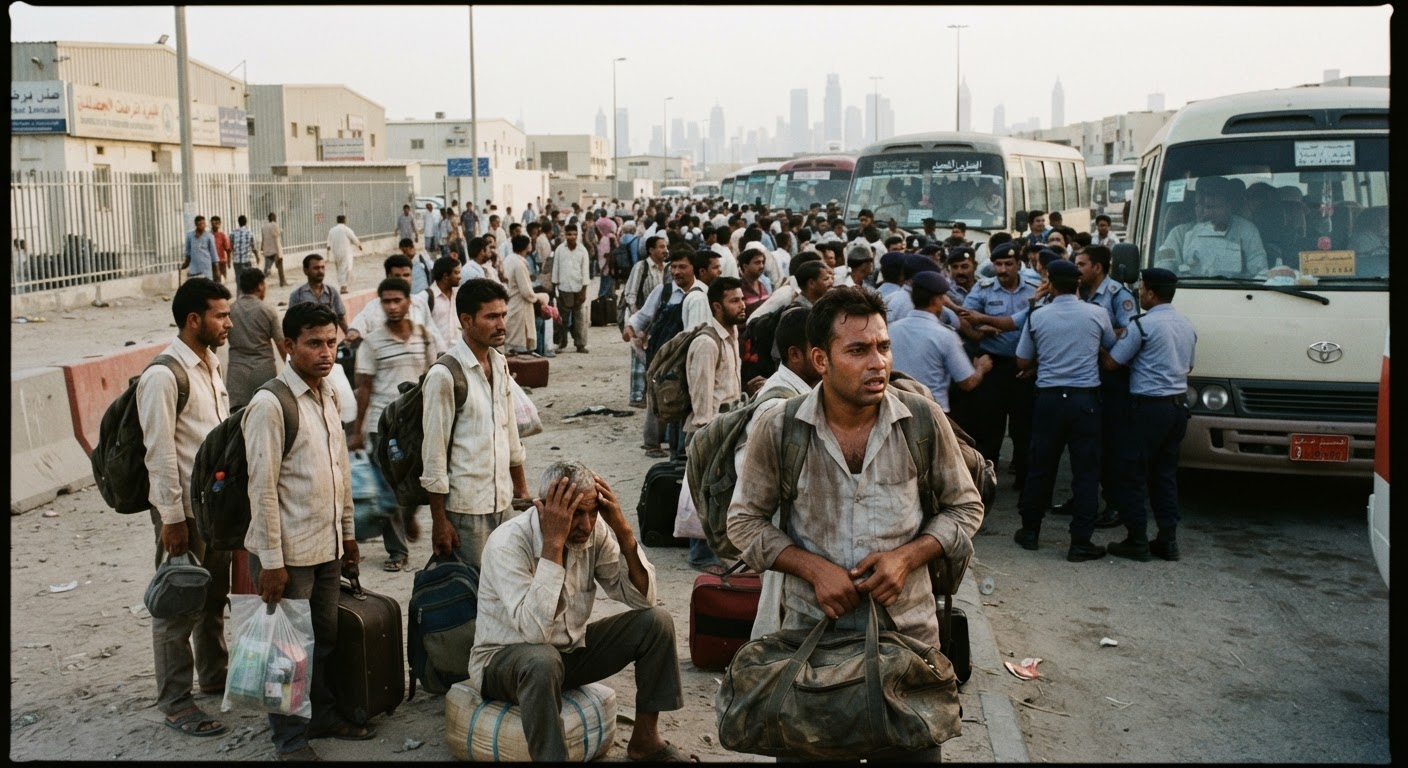
Human Rights Watch (HRW) has issued a stark warning regarding the escalating physical and economic dangers facing millions of migrant workers across the Gulf Cooperation Council (GCC) countries. As regional tensions intensify, the vulnerability of the migrant workforce has reached a critical point, with workers often caught in the crossfire of ongoing instability.
According to an HRW statement released on November 10, 2026, the current regional instability has severely exacerbated systemic protection gaps. These vulnerabilities are particularly pronounced within the kafala sponsorship system, which leaves many workers with limited recourse during times of crisis.
Economic Hardship and Physical Danger
Migrant workers constitute more than 40 percent of the regional labor force, making them highly susceptible to the ripple effects of conflict. The organization noted that workers are currently grappling with several intersecting crises:
- Income Losses: Significant disruptions to work and economic stability.
- Rising Costs: Increased food prices affecting daily survival.
- Wage Issues: Growing difficulties in the successful collection of owed wages.
Beyond economic concerns, physical safety has become a paramount issue. HRW reported confirmed fatalities among the workforce, including laborers from Pakistan, Nepal, and Bangladesh. In a specific incident on November 5, 2026, the Philippines' Department of Migrant Workers (DMW) confirmed the death of a Filipino seafarer following an explosion involving a vessel in the Arabian Gulf.
Those working in essential sectors remain at the highest risk. This includes individuals employed in maritime operations, healthcare, sanitation, and delivery services, many of whom are required to continue their duties even during active emergency alerts.
International Response and "Warlike" Zones
The escalating danger has prompted several nations to take defensive measures. The Philippines has officially classified the Arabian Gulf, the Strait of Hormuz, and the Gulf of Oman as "warlike operational areas." Consequently, the Philippine government has prohibited the deployment of seafarers to any vessels traversing these high-risk zones.
Other nations, including Thailand, Indonesia, and Pakistan, are reportedly monitoring the situation of their citizens closely and are in the process of preparing potential evacuation and repatriation strategies should the security situation deteriorate further.
HRW Urges Immediate Protection Measures
To mitigate the impact of the ongoing conflict, Human Rights Watch is calling on GCC governments to implement immediate safeguards for the migrant population. The organization's recommendations include:
- Providing emergency compensation to affected workers.
- Strictly enforcing existing employment contracts.
- Covering the airfare costs for workers seeking to return to their home countries.
- Ensuring that all emergency safety information is disseminated in multiple languages that are easily accessible to the diverse migrant workforce.
As regional instability persists, the combination of restricted movement and heightened surveillance regarding conflict-related information has created a pervasive climate of fear among those who provide the essential services that keep the region running.