Gulf Maritime Security Risks Surge Amid Regional Conflict
Regional conflict and maritime attacks increase security risks for Gulf shipping and Indian expatriates, leading to delays and higher costs.
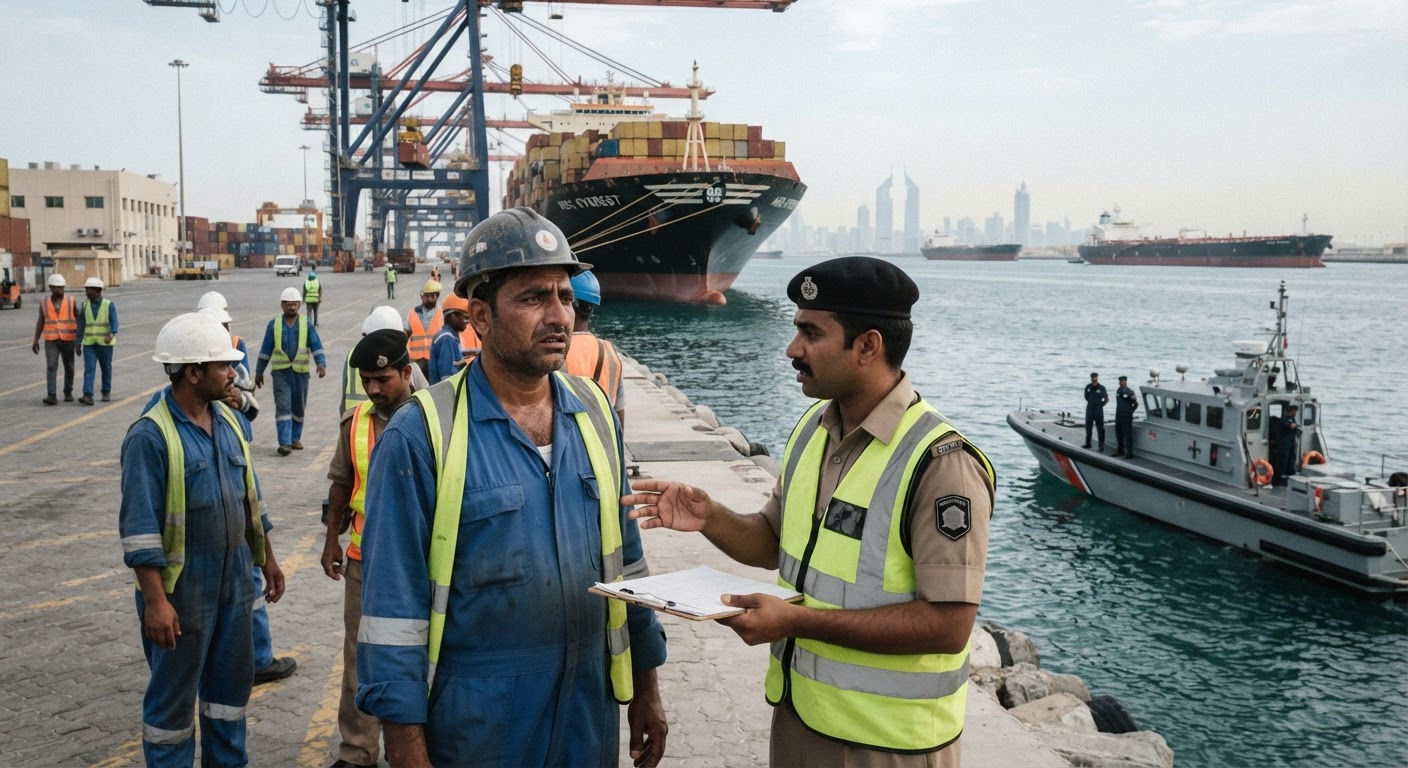
The ongoing regional conflict, which saw a significant escalation in February 2026, continues to cast a shadow over the Gulf Cooperation Council (GCC) states. As volatility persists in critical maritime routes, including the Strait of Hormuz and the approaches to the Red Sea, security concerns are mounting for both commercial shipping and the vast expatriate populations residing in the region.
Tragic Maritime Attack Near Oman
The human cost of the instability was recently highlighted by a violent incident involving the vessel MSV Al Jusufi. On November 2-3, 2026, the ship was attacked off the coast of Oman, an event that resulted in the tragic death of one Indian crew member. While 13 other crew members were successfully rescued, the incident underscores the growing dangers faced by those working at sea.
According to the Ministry of External Affairs, this death contributes to a cumulative total of 23 Indian nationals who have lost their lives due to the broader regional conflict. For the hundreds of thousands of Indian maritime and industrial workers essential to the Gulf economy, the situation remains deeply unsettling.
Drone Threats and Defensive Interceptions
The security landscape has been further complicated by aerial threats. Recent announcements from Houthi forces regarding drone launches aimed at Dammam and Jizan have kept regional authorities on high alert.
In response to these escalating threats, the Saudi coalition has reported several successful interceptions. These defensive actions have even extended to the Makkah region, as authorities work to neutralize incoming projectiles to ensure the safety of major population centres and religious sites.
Economic Impact and Psychological Pressure
The instability is not merely a security issue; it is an economic one. The heightened vulnerability of critical maritime chokepoints has led to several cascading effects:
- Increased Risk Premiums: The shipping industry is facing higher insurance and operational costs due to the volatility.
- Logistical Delays: There are growing concerns regarding potential delays at major regional ports and airports.
- Psychological Strain: The constant threat of conflict is placing significant psychological pressure on expatriate communities.
While analysts note that major Gulf urban centres remain relatively stable, the vulnerability of maritime routes remains a primary concern for regional stability and trade.
Safety Advice for Expatriate Workers
As de-escalation negotiations continue to shape the future trajectory of the region, authorities are urging expatriate workers to remain vigilant. To mitigate risks, workers are advised to:
- Maintain Registration: Ensure you are properly registered with your respective diplomatic missions.
- Monitor Official Channels: Closely follow official government updates and stay informed about any new travel advisories.