Gulf Hiring Slumps as Filipino and Nepali Labour Deployments Drop
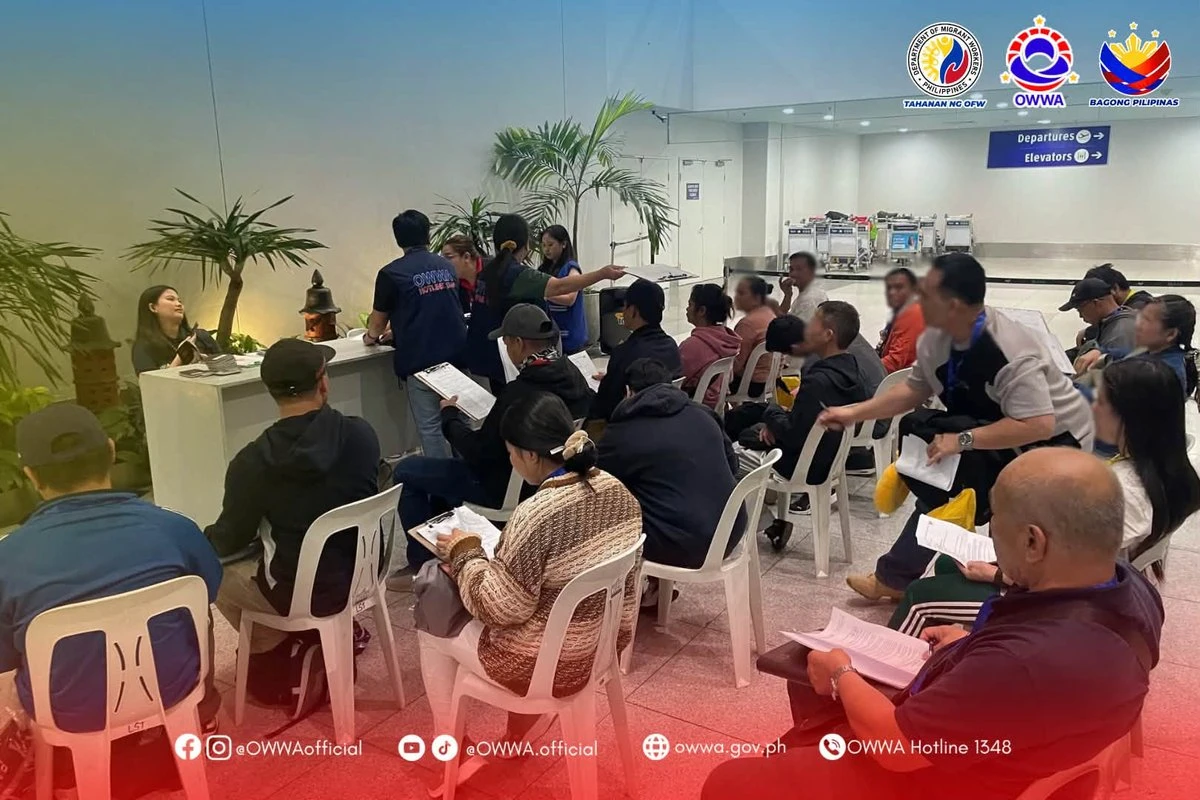
The labour market in the Gulf region is experiencing a notable cooling period, with recent data revealing a sharp contraction in the deployment of workers from the Philippines and Nepal.
Significant Drop in Filipino Deployments
According to the Philippines Department of Migrant Workers (DMW), land-based deployments for the period of January through August 2026 reached 988,754. This represents a 24.68% decrease compared to the 1,312,724 workers recorded during the same eight-month period in 2025.
While Saudi Arabia and the UAE remain the primary destinations, the overall hiring pipeline has diminished. The breakdown for land-based Overseas Filipino Workers (OFWs) includes:
- Saudi Arabia: 169,361
- UAE: 165,477
- Singapore: 113,263
- Hong Kong: 105,966
- Qatar: 64,616
The maritime sector has faced an even more severe downturn. Seafarer deployments plummeted by 56.67%, falling to 155,966 from 359,938 the previous year. The breakdown of maritime roles includes:
- Cruise and passenger ships: 34,653
- Bulk carriers: 33,741
- Containers: 14,168
- Oil tankers: 9,965
- Chemical tankers: 7,380
Nepali Labour Approvals Plunge
The decline is equally pronounced among Nepali workers. Data from Nepal's Department of Foreign Employment indicates that new labour approvals for the Gulf dropped by 52.12% between late February and mid-September 2026, falling from 228,165 to 109,249.
The reduction in approvals is evident across several major Gulf nations:
- UAE: -59.05%
- Saudi Arabia: -57.02%
- Bahrain: -45.49%
- Kuwait: -42.93%
- Qatar: -35.08%
In a departure from the regional trend, Oman recorded a 24.33% increase in labour approvals. Currently, approximately 1.9 million Nepalis are employed within the Gulf