Peace talks in the Gulf have stopped after a big attack happened in Saudi Arabia. Oman cancelled a high-stakes meeting between Iran and Arab Gulf states after a major Houthi attack.
- Oman cancelled the meeting to build agreement
- Houthi forces launched missiles and drones at the King Khalid Air Base
- Saudi authorities issued emergency alerts in four southern cities
- Bahrain refused to join the talks until diplomatic ties are restored
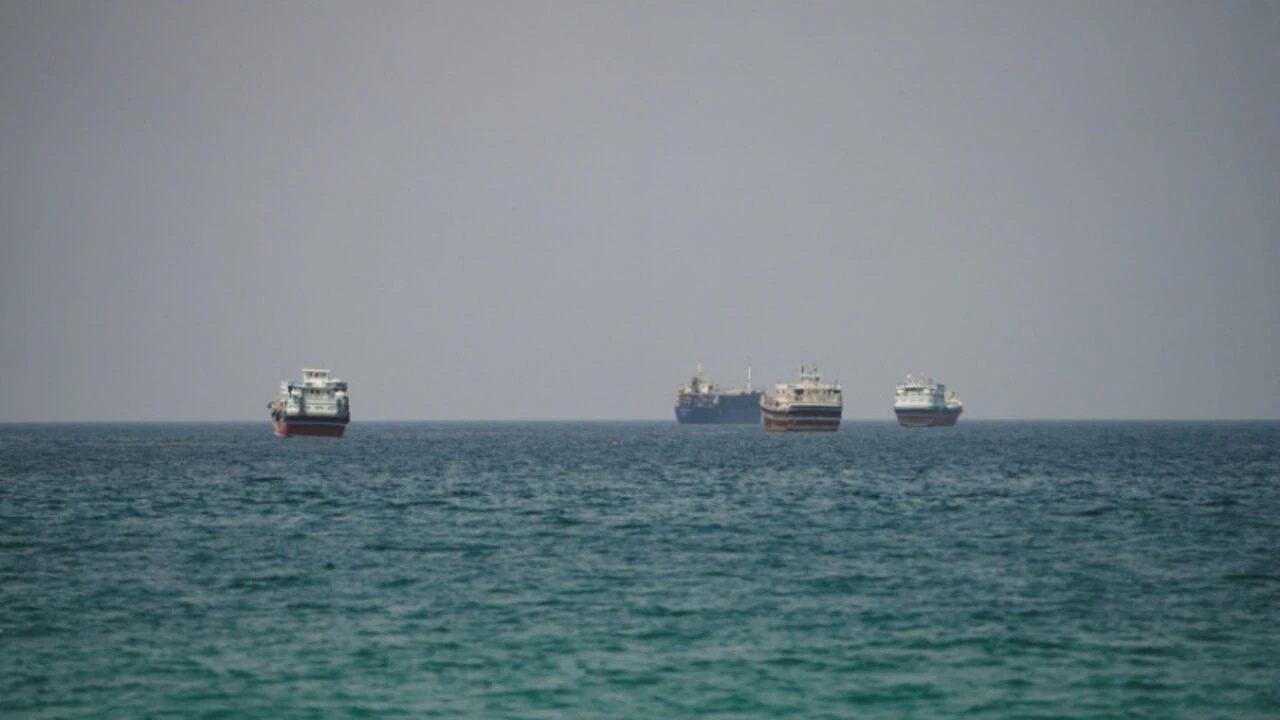
Diplomatic efforts failed on Monday after the Houthi offensive hit hangars, radars, runways, and ammunition depots at the air base in Khamis Mushait. The meeting in Muscat and Salalah was meant to talk about a temporary shipping corridor through the Strait of Hormuz. This corridor has been restricted since the U.S.-Israeli campaign started in late February. The regional situation worsened when Houthi forces seized the port of Mocha and Perim Island last week. An explosion at a pumping station near Al Mesba'ah damaged the East-West crude pipeline. Vantor Technologies satellite imagery confirmed the damage, and officials told the AP that the pipeline will stay offline for weeks. Global oil markets reacted quickly as Brent crude went above $108 to $109 a barrel, and U.S. retail diesel reached a record high of over $6.23 a gallon. Traders warn that a long shutdown could remove about four percent of the global oil supply. Tehran published a blacklist of 77 ships accused of breaking Hormuz rules and threatened fines, detention, or confiscation.
Regional diplomatic unity is still split.
UAE Crown Prince Sheikh Khaled bin Mohamed Al Nahyan met Iranian President Masoud Pezeshkian at the BRICS summit in India on Saturday. Saudi Foreign Minister Prince Faisal bin Farhan later spoke on a call with UAE Foreign Minister Sheikh Abdullah bin Zayed to ask for a unified Gulf position. Qatar condemned the attacks, while Bahrain still refuses to negotiate with Tehran. U.S. President Donald Trump spoke from Ireland and said Iran wants a deal, predicting the conflict will end around the November midterms. Sources told Reuters that the White House said no to requests from Saudi Crown Prince Mohammed bin Salman for direct U.S. military intervention in Yemen. Saudi media confirmed the Crown Prince met CENTCOM commander Adm. Brad Cooper in Jeddah on Monday. The UN and IOM reported 82,000 to 85,000 newly displaced people since early September. The Yemeni government reported about 150 civilian deaths and 200 injuries during the recent coastal offensive.