Global Energy Chokepoints Under Threat: MBS and Putin Demand Reopening of Hormuz and Bab el-Mandeb
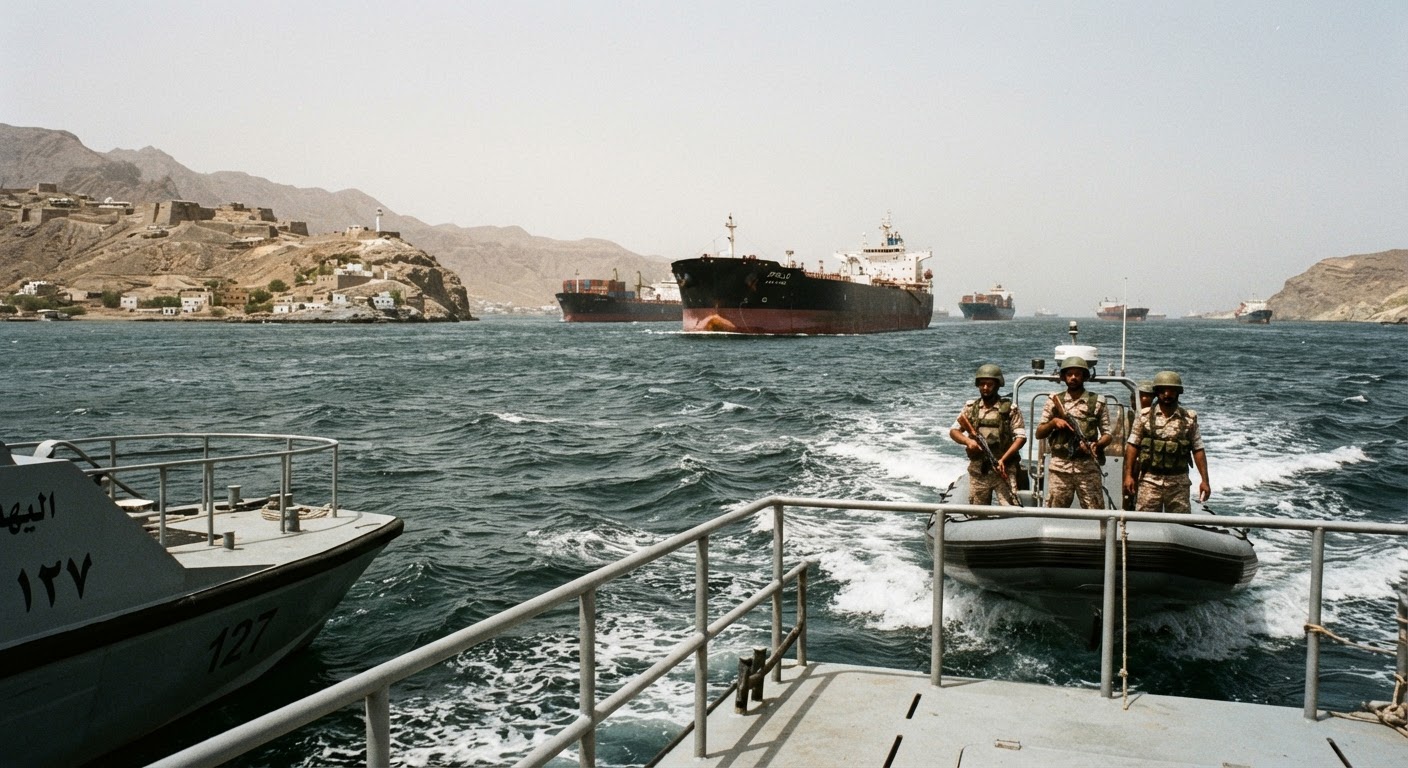
In a high-stakes diplomatic move, Saudi Crown Prince Mohammed bin Salman and Russian President Vladimir Putin have issued a joint demand for the immediate and safe passage of vessels through the Strait of Hormuz and the Bab el-Mandeb. During a phone call on Tuesday, the two leaders called for an urgent cessation of hostilities in Yemen, warning that the current restrictions on these vital maritime chokepoints are causing severe damage to the global economy.
A Stranglehold on Vital Sea Lanes
The leaders highlighted the growing danger posed by Iran and its Houthi proxies, who currently maintain a de facto control over the Strait of Hormuz. This maritime instability is being compounded by Houthi military advancements along Yemen's Red Sea coast. Recent reports indicate that Houthi forces have seized Mocha and are actively advancing toward the Kahboub mountains, a strategic position that overlooks the Bab el-Mandeb.
The human cost of the escalating conflict is mounting rapidly. Over the last three days, violent clashes across several Yemeni regions have resulted in a reported death toll of 169 people. These clashes have been concentrated in:
- Taiz
- Lahj
- Marib
- al-Jawf
Missile Strikes and Air Defense Battles
The conflict has increasingly spilled over into Saudi territory, with both sides trading accusations of civilian casualties and infrastructure attacks. The Houthis have accused Saudi-led coalition forces of striking a prison in al-Hazm and conducting strikes in Mocha that killed civilians, including children. Conversely, government forces have reported the interception of Iranian-made ballistic missiles aimed at Al-Dhalea.
The threat to Saudi Arabian security has reached a critical level. On September 19, Saudi air defenses intercepted a Houthi ballistic missile directed at Riyadh. The incident caused a fire in a fuel tank at King Khalid International Airport, leading to significant flight disruptions. Additional interception attempts have been confirmed targeting:
- Yanbu
- Taif
- Farasan
- Bisha
Houthi spokesman Yahya Saree has claimed responsibility for strikes targeting "sensitive sites" in Riyadh as well as Aramco facilities located in Yanbu. Amidst this tension, reports suggest that U.S. President Donald Trump authorized, and subsequently canceled, retaliatory strikes against the Houthi forces—a decision that has reportedly caused concern within Riyadh.
Diplomatic Maneuvers and Red Lines
As Iranian President Masoud Pezeshkian attends the UN General Assembly in New York, the path to peace remains complex. Through Qatari mediators, Tehran has communicated specific conditions for reopening the Strait of Hormuz, which include an end to the war and the lifting of U.S. blockades on Iranian ports. Sheikh Mohammed bin Abdulrahman Al Thani, the Qatari Prime Minister, is currently working to facilitate discussions regarding a potential regional security arrangement.
The regional response has been one of firm condemnation. The UAE has denounced Houthi strikes on Najran, Abha, and Khamis Mushait, joining foreign ministers from Egypt, Pakistan, and Turkey in issuing joint statements against the attacks. The gravity of the situation was underscored by King Salman, who issued a stark warning regarding the sanctity of holy sites:
King Salman has explicitly identified Houthi efforts to target Makkah as a "red line."
Economic and Lifestyle Disruptions in the Gulf
The ongoing instability is no longer just a military concern; it is actively reshaping life and business across the Middle East. The volatility has triggered a ripple effect of practical challenges for residents and industries in the UAE, Saudi Arabia, Qatar, Bahrain, and Oman.
Key impacts include:
- Travel and Aviation: Increased travel alerts and frequent flight disruptions.
- Financial Burdens: A notable rise in insurance costs for expatriates living in the region.
- Energy Logistics: Saudi crude exports are being forced to bypass traditional routes, instead taking longer and more expensive paths via the Suez Canal.