GCC Retirement Crisis: The Looming Struggle for India's Aging Expat Workforce
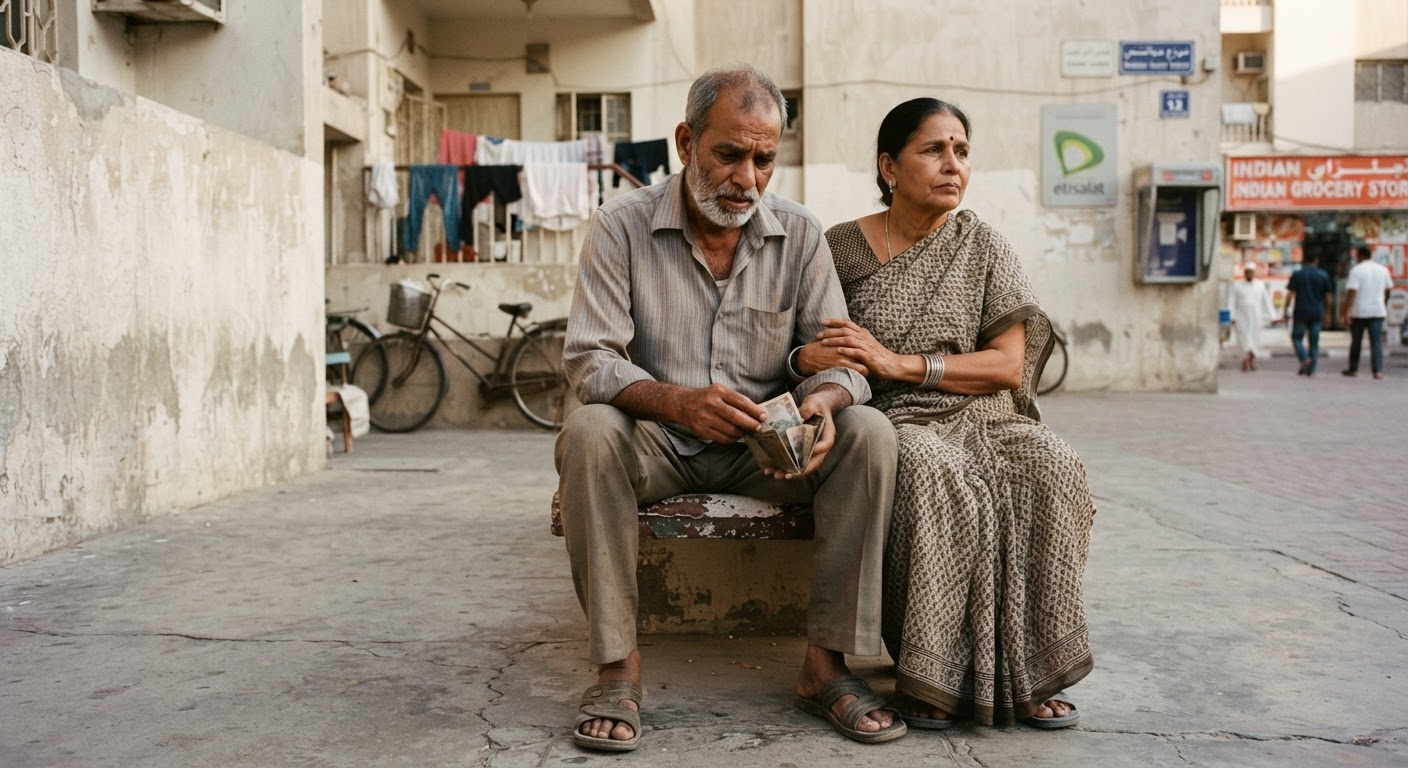
A major social and financial emergency is emerging across the Gulf Cooperation Council (GCC) nations, as millions of ageing Indian expatriates face a future without adequate social security. A recent study has highlighted that long-term migrant workers are increasingly vulnerable to financial instability, rising medical costs, and precarious living conditions as they approach their retirement years.
The Flaw in the 'End-of-Service' Model
Research conducted by Dr. İdil Akıncı of the University of Edinburgh, released through the International Labour Organization’s (ILO) STREAM programme, reveals a systemic failure in how retirement is managed for non-nationals. For decades, many workers have relied on end-of-service indemnity (EOSI) payments to fund their later years.
However, the study points out a fundamental issue: the ILO identifies these lump-sum payments as deferred wages rather than a functional, sustainable pension system. This distinction is critical, as EOSI payments often fail to account for:
- The rising cost of living and inflation.
- The high expense of long-term medical care.
- The actual financial realities of a sustained retirement.
A Massive Demographic Facing Uncertainty
The scale of the potential crisis is significant, given the massive Indian population residing in the region. According to 2026 Ministry of External Affairs data, the total Indian population across the six GCC nations is approaching one crore. The breakdown includes:
- UAE: Approximately 43.26 lakh Indians.
- Saudi Arabia: Approximately 27.48 lakh Indians.
The demographic shift is particularly visible in the elderly populations of certain nations. In Qatar, non-nationals make up nearly half of all residents aged 75 and above, while in Kuwait, they represent more than one-third of the elderly population.
The Double Threat: Healthcare and Residency
Beyond direct financial instability, the research identifies two primary vulnerabilities that leave ageing workers in a state of constant insecurity.
1. Disappearing Healthcare Coverage
Because medical insurance is typically tied directly to active employment, coverage often lapses the moment a contract ends. For older workers facing age-related illnesses, this loss of insurance can be devastating.