GCC Nations Sign Landmark Deal for New GCC Railway Network
GCC nations sign a landmark agreement to complete a 2,117km railway network by 2030, connecting Saudi Arabia, UAE, and more.
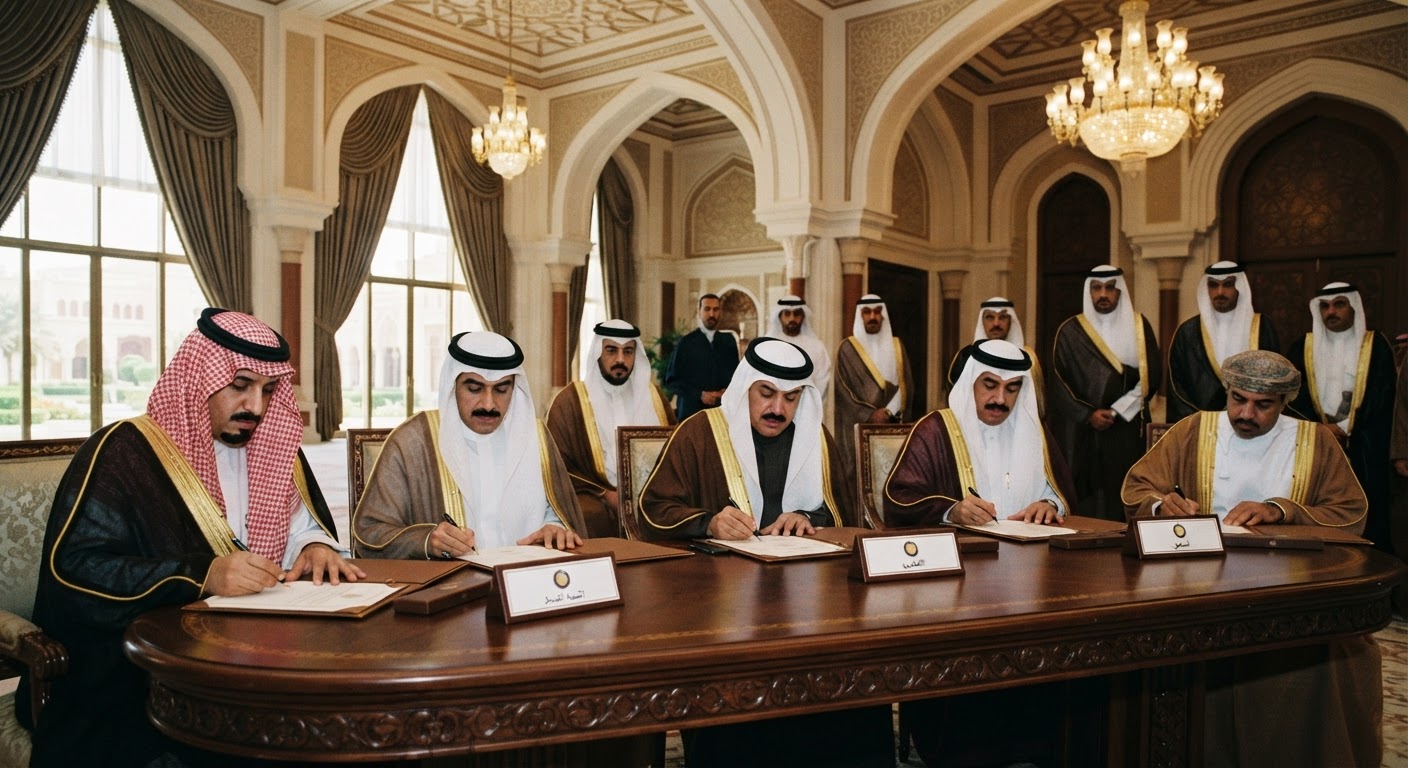
The six member states of the Gulf Cooperation Council (GCC)—Saudi Arabia, the UAE, Kuwait, Qatar, Bahrain, and Oman—have officially signed a transformative agreement to integrate a massive 2,117-kilometer GCC railway network. The landmark signing took place on November 8, 2026, at the Riffa Al Zahir Palace in Manama, Bahrain.
A Connected Gulf Region
This agreement aims to formalize a unified rail system designed to facilitate the seamless movement of both passengers and freight across the entire Gulf region. The initiative, which was originally approved by the GCC Supreme Council in 2009, is now moving into a critical phase of implementation under the oversight of the GCC Railways Authority.
According to GCC Secretary-General Jasem Albudaiwi, the project has already reached a significant milestone, with construction and integration currently 55.9% complete. The ultimate goal is to have the entire network fully operational by December 2030.
Technical Specifications and Speed
The proposed network is being built to support regional economic diversification and various national "Vision" programs. To ensure efficiency, the project includes specific technical requirements:
- Total Distance: A sprawling 2,117-kilometer interconnected track.
- High-Speed Travel: Passenger trains are designed to reach speeds of up to 200 km/h.
- Dual Functionality: The infrastructure will support both heavy freight and passenger transportation.
Impact on Travel and Economy
For the millions of residents and tourists in the region, the new rail system promises to be a game-changer. It is expected to provide a cost-effective alternative to air travel, offering easier connectivity for commuters, tourists, and the large expat workforce living within the Gulf states.
While the agreement marks a major step toward operational readiness, officials have not yet confirmed specific cross-border opening dates or standardized ticket pricing models. The implementation focus will now shift toward enforcing uniform technical standards across all national rail sections to ensure a seamless regional experience.