GCC Demands Seat in Iran Talks After Tanker Attack
An oil tanker caught fire in the Strait of Hormuz on Monday after striking a naval mine, triggering a wave of diplomatic demands from Gulf nations seeking a direct role in negotiations with Tehran.
According to the Iranian Revolutionary Guard Corps (IRGC) Navy, the vessel's navigation systems had been disabled, and officials claimed the ship was attempting an unauthorized exit from the waterway. This incident marks the third such mine-related fire in recent days involving vessels capable of transporting up to two million barrels of crude oil, a development that has significantly heightened regional tensions and disrupted global energy markets.
GCC Demands Inclusion in Future Negotiations
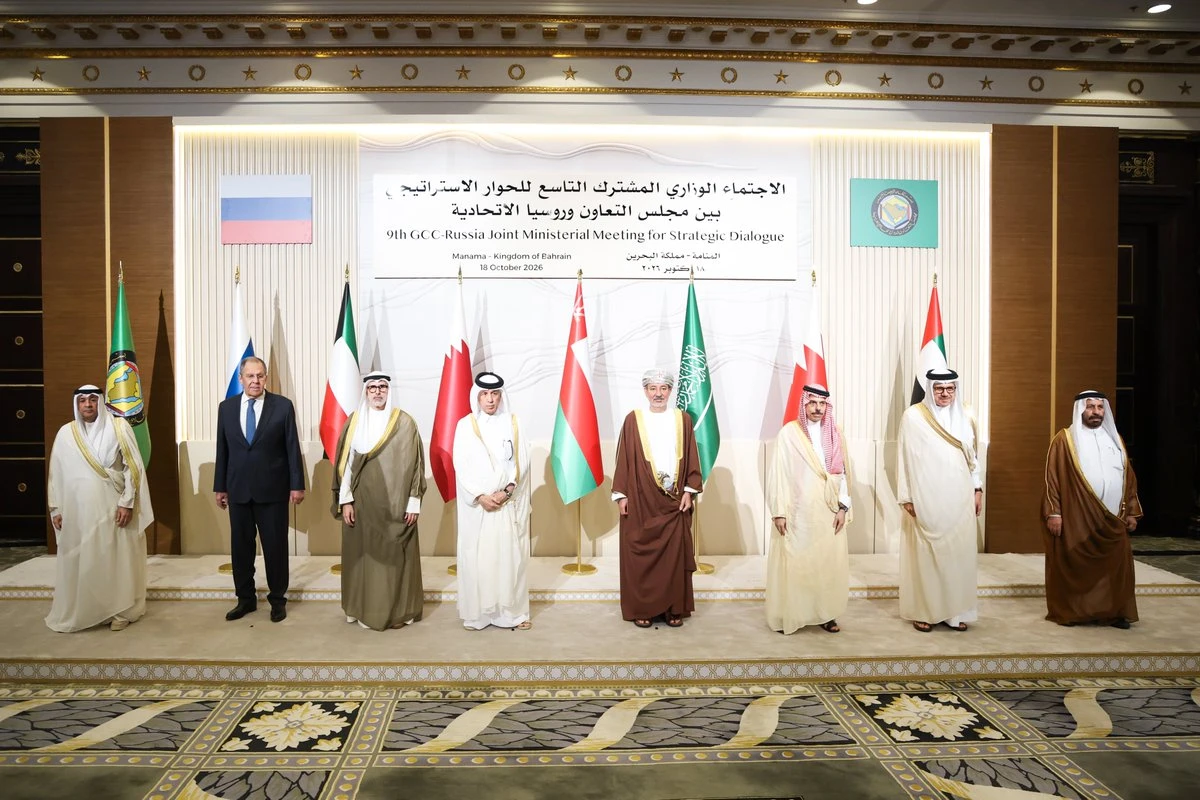
Following the 168th Ministerial Council meeting held in Manama on Sunday, the foreign ministers of the six Gulf Cooperation Council (GCC) states issued a formal communique. The council demanded that any future negotiations involving Iran must include the Gulf nations themselves.
The GCC stated that any meaningful dialogue must address several critical security concerns, including:
- Iran's missile and drone programs: Addressing the proliferation of advanced weaponry.
- Proxy support: Halting the influence of Iranian-backed groups.
- Nuclear ambitions: Ensuring regional stability regarding Tehran's nuclear program.
Furthermore, the council called for the Houthis to be officially designated as a terrorist organization and demanded a complete cessation of arms flows to the group. The GCC also requested reparations from Iran for attacks carried out against GCC member states and Jordan. To restore stability, the council urged a return to the navigation conditions that existed prior to February 28 in the Strait of Hormuz and called on Russian Foreign Minister Sergey Lavrov to exert pressure on Iran to end hostilities.
Widespread Travel Disruptions and Security Warnings
The escalating instability has had a direct impact on regional aviation. Major carriers, including Emirates, Etihad, flydubai, Air Arabia, Air India, and IndiGo, have extended flight cancellations to several Saudi Arabian cities, including Riyadh, Jeddah, Dammam, and Medina, through October 24.
Travel advisories have been issued by the US, UK, and Australia, urging caution near Saudi airports. This follows a deadly attack on King Khalid International Airport on October 10, which resulted in over a dozen deaths and hundreds of injuries. In a separate security incident near the Yemen border in Najran, two officers were killed in an AH-6i helicopter crash; while the coalition attributed the incident to technical failure, the Houthis claimed they shot it down. Additionally, a Houthi projectile injured six civilians in Najran on Sunday.
Economic Impact and Diplomatic Maneuvers
The ongoing conflict has placed immense pressure on global energy security, with oil prices currently hovering between $108 and $110 per barrel. In response to the volatility, French President Emmanuel Macron has begun a four-nation Gulf tour, starting in Kuwait, to discuss energy security and the potential reopening of the Strait of Hormuz.
Amidst the tension, GCC Secretary-General Jasem Albudaiwi reported that over 7,000 ballistic missiles and drones have targeted Gulf facilities since the conflict began in late February. While the IRGC maintains its threat to target vessels that disable their tracking systems, Iranian Foreign Minister Abbas Araghchi has proposed a seven-day plan aimed at reopening the vital waterway.