GCC Vows Collective Defense After Iranian Missile Strikes
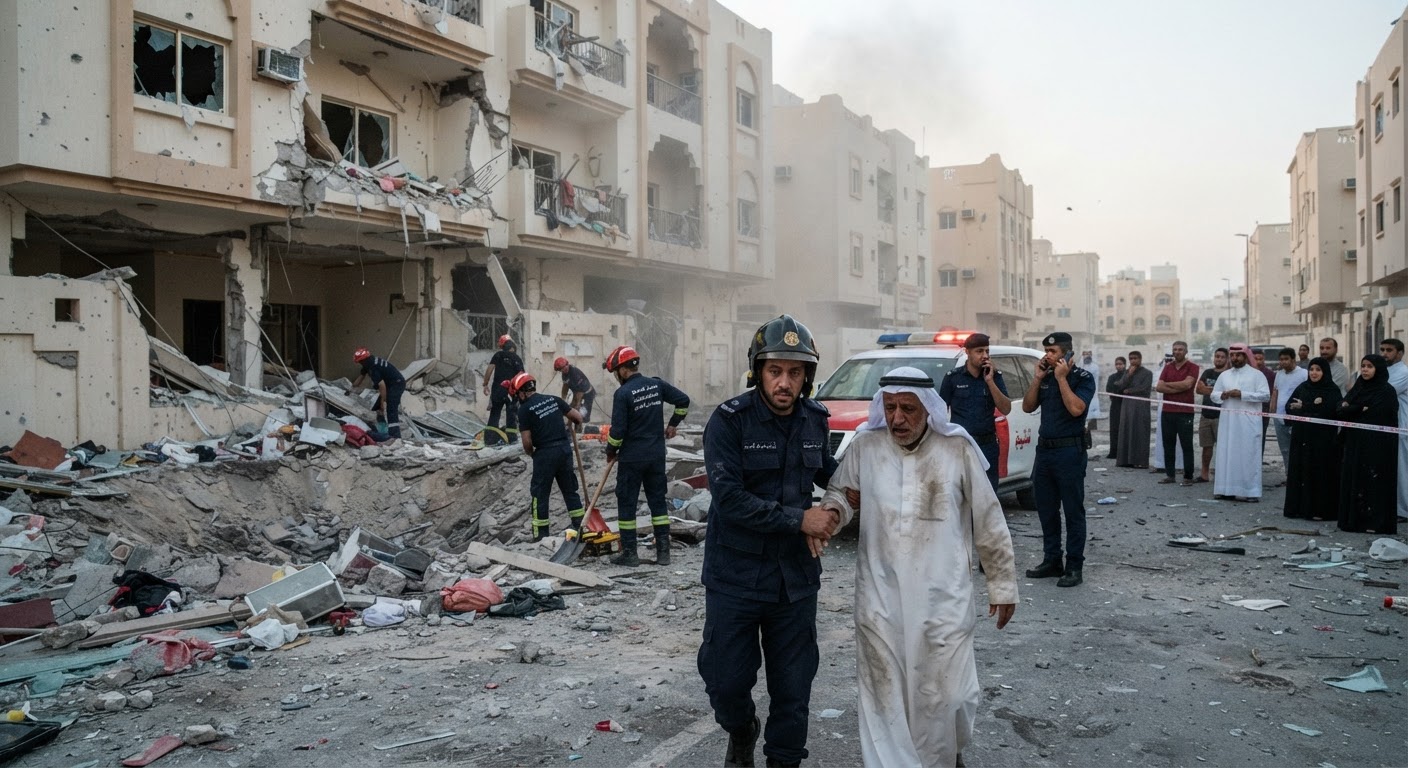
The Gulf Cooperation Council (GCC) has issued a stern warning to Iran, declaring that any future missile or drone attacks on its member states will be met with a unified, collective response. Following a new barrage of ballistic missiles and drones targeting Bahrain, Kuwait, and Jordan, foreign ministers meeting in Manama characterized the strikes as "blatant aggression" against sovereign nations.
The Council emphasized that these actions pose a direct threat to the security of GCC citizens and the millions of expatriates living within the region. In a significant move to bolster regional stability, the GCC Ministerial Council declared that an attack on any single member state will now be treated as an attack on all members, affirming the strength of their joint air defense systems.
Escalating Regional Tensions and Infrastructure Damage
The scale of the recent hostilities is significant. According to a report submitted by Bahrain to the United Nations, more than 7,000 missiles and drones have targeted the region over the past seven months. These strikes have caused extensive damage to critical infrastructure, including:
- Airports and aviation hubs
- Residential areas
- Power facilities and desalination plants
Previous incidents have already resulted in casualties and disruption. These include the death of a Moroccan contractor attached to UAE forces in Bahrain and numerous injuries sustained at Kuwait International Airport. Meanwhile, Saudi Arabia continues to face threats, frequently intercepting Houthi-fired drones near Riyadh and Khamis Mushait.
Invoking Article 51 of the UN Charter, the GCC asserted its inherent right to self-defense. While the Council has urged the UN Security Council to hold Tehran accountable, ministers noted that diplomatic dialogue remains a possibility, provided that Iran immediately ceases all launches targeting GCC interests.
Geopolitical Shifts and Economic Impacts
The ongoing instability is creating ripple effects across the global economy and regional security landscape. The volatility has led to rising tanker insurance premiums and fluctuating global oil prices. Within the Gulf, the impact is felt through the intermittent shutdown of southern Saudi Arabian airports and the closure of schools in parts of the Kingdom.
In response to these threats, regional powers are intensifying security cooperation:
- Saudi Arabia and the UAE: Both nations are working to strengthen ties, recently highlighted by a security consultation in Riyadh involving UAE Vice-President Sheikh Mansour bin Zayed.
- Pakistan and Turkey: Pakistan has reaffirmed its commitment to the Mecca defense pact, stating it would treat aggression against Saudi Arabia as an attack on itself, with Turkey providing necessary coordination.
- Oman and Qatar: Oman continues to act as a mediator, while Qatar maintains diplomatic channels with Tehran while simultaneously hosting a major U.S. air base.
As operational tensions remain high—with Iran claiming to target U.S. bases in the region—the security of the Bab el-Mandeb and Saudi oil routes remains under constant threat from Iranian-backed Houthi forces in Yemen. This heightened state of alert directly impacts the lives of millions of expatriate workers from India, Pakistan, the Philippines, and Egypt residing in major hubs such as Dubai, Doha, Manama, Riyadh, and Muscat.