New Dubai Shared Housing Rules Could Spike Expat Costs
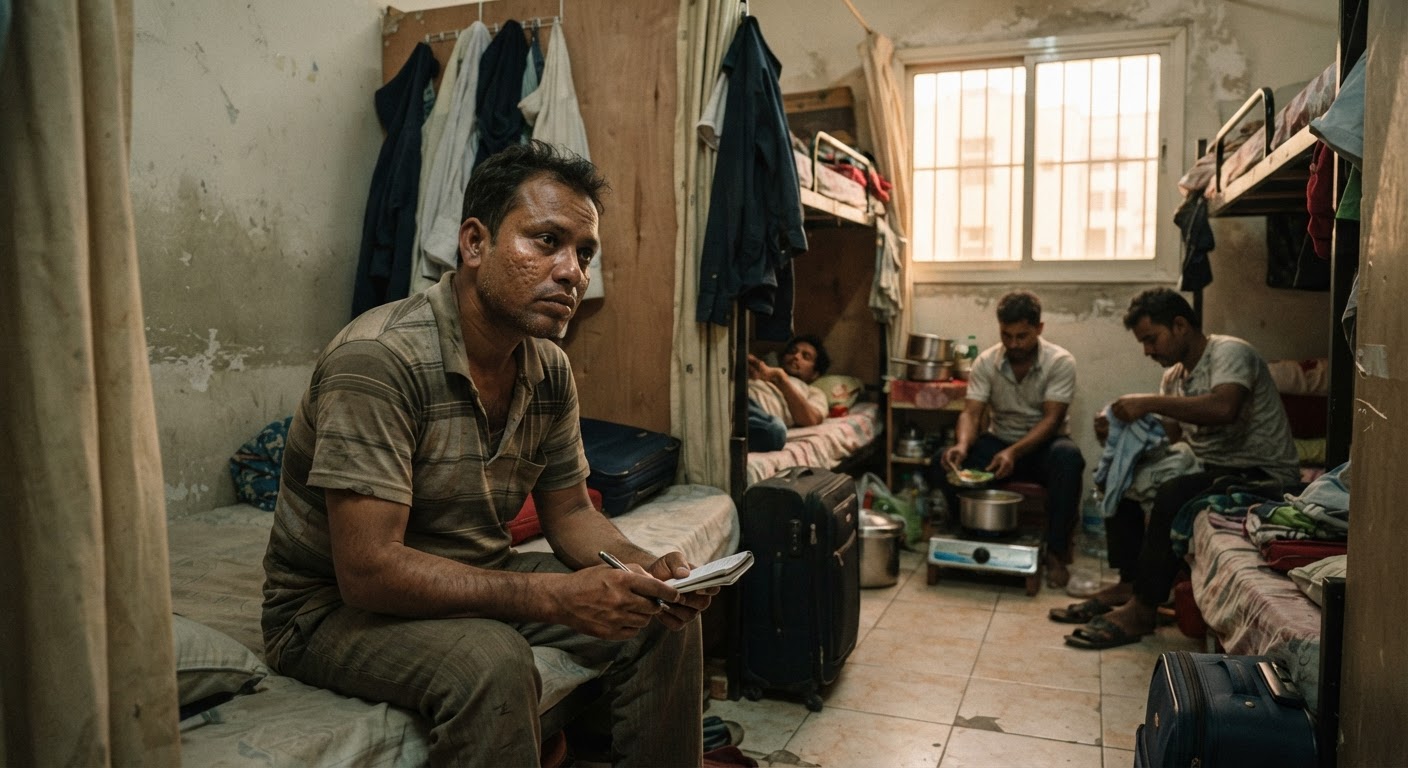
Dubai Municipality has introduced sweeping new regulations for shared housing under Law No. 4 of 2026, a move intended to improve living standards but one that experts warn could significantly increase costs for the city's low-income expatriate population.
The new mandate imposes strict design, occupancy, health, and safety standards across more than 40 designated areas. These include high-density residential zones such as Al Rigga, Karama, Al Barsha 1, and Al Muraqqabat. Landlords have been given a deadline to achieve full compliance by approximately September 2027.
Strict New Standards for Living Spaces
The regulations aim to eliminate illegal partitions and overcrowding while ensuring tenants have access to formal legal protections. Nasser Al Shaibani, the structural control section manager at Dubai Municipality, noted that the rules are designed to enhance the overall quality of life and ensure tenants receive proper contracts, including short-term agreements lasting one to two months. Previously, many residents in shared accommodations operated without any formal legal documentation.
Under the new law, buildings must be strictly designated for either individuals or families, with no mixing of the two groups permitted. The municipality has also outlined specific facility requirements:
- Bedroom Space: A minimum of 5 square metres per person.
- Sanitation: One toilet for every four occupants and one shower for every six occupants.
- Kitchen Facilities: A minimum kitchen area of 1 square metre per person.
- Parking: Bicycle parking capacity must be provided for at least 10% of residents.
Heavy Penalties for Non-Compliance
Authorities are actively conducting inspections to enforce these rules and crack down on illegal housing setups. The financial consequences for landlords who fail to comply are severe. A first-time violation can result in fines of up to Dh500,000, while repeat offenders face penalties that double to Dh1 million.
Potential Financial Strain on Low-Income Workers
While the regulations aim to provide safer and more regulated environments, industry analysts are raising alarms about the economic impact on the workforce. Upgrading facilities to meet these legal requirements will likely require significant investment from property operators.
Rayan Hanna, founder of the affordable housing platform Next House, suggested that to remain financially viable, operators might be forced to increase monthly room rates to between Dh2,000 and Dh3,000.
This projected increase presents a major challenge for Dubai's low-income workers. Many residents currently rely on affordable bed spaces that cost between Dh700 and Dh900 per month. The scale of the potential impact is significant, as a 2025 workforce report indicated that 60% of workers in Dubai earn less than Dh5,000 per month.