Dubai Pilgrims Escape Deadly Floods Discover Amazing Survival Story
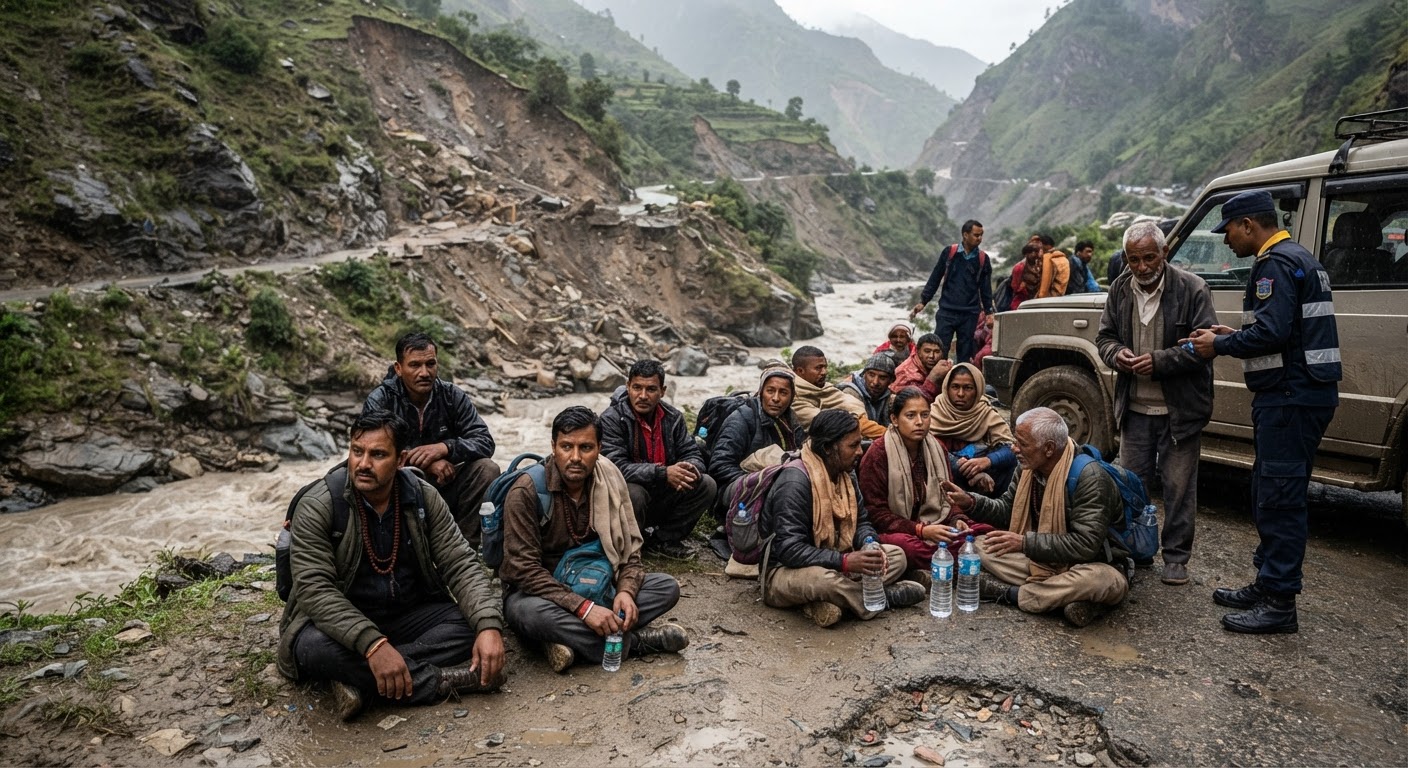
Groups of Indian expatriates residing in Dubai, who were on a pilgrimage to Mount Kailash and Lake Mansarovar, narrowly escaped a catastrophic flooding and landslide disaster at the Nepal-Tibet border. Here are the key details of what happened:
- Pilgrims passed through the Timure–Rasuwagadhi area about 20 hours before a massive flood struck on August 26.
- The disaster destroyed the route they had recently traversed and closed standard border roads.
- Travelers had to use a restricted emergency route normally reserved for military movement.
The Journey of Mohana Sowjanya
Dubai resident Mohana Sowjanya began her pilgrimage on August 17 and reached Timure through Nepal’s Rasuwa district before heading to Tibet. Having completed her three-day pilgrimage, she was scheduled to return on August 27, but the debris flood on August 26 forced a change in plans. Stranded in Saga as the original route was severed, the group eventually returned via an emergency route permitted by Chinese authorities. The journey involved abandoning vehicles due to landslides and trekking down mountain slopes with the help of local porters. The group reached Kathmandu at approximately 9:30 p.m. on August 28.
The Hardships of Ena Banerji and the Death Toll
A second group of 58 pilgrims, which included Dubai-based former school head Ena Banerji, faced similar hardships. Having crossed the Kerung border before the disaster, this group comprising travelers from India, Canada, and Thailand returned through an alternative route. At one point, the group had to navigate 1.5 kilometers of ankle-deep mud and slush on foot. Ena Banerji reported that the driver who had transported their group from Kathmandu to Timure was swept away by the floods along with his vehicle, and the restaurant where they had previously dined was completely destroyed. As of the morning of September 2, 2026, Nepal Police reported the death toll from the Bhotekoshi–Trishuli flood disaster had reached 1,127, with 4,858 individuals still missing. Impacted regions include Rasuwa, Nuwakot, Dhading, Chitwan, Gorkha, Tanahun, and Nawalparasi, where critical infrastructure, including bridges, roads, and hydropower projects, has been destroyed. The Rasuwagadhi border link remains severely impacted, with temporary one-way arrangements established on key routes connecting to Kathmandu. Authorities continue to monitor water levels amid ongoing concerns of fresh landslides due to unstable terrain and intermittent rain.