Annihilation or Deal? Trump Issues Iran Ultimatum Amid Secret UN Diplomacy
In a move that has sent shockwaves through Gulf capitals, Donald Trump has issued a stark ultimatum to Tehran, declaring he must decide between brokering a diplomatic agreement or "annihilating the Islamic Republic." This aggressive stance comes even as high-level US envoys engage in intense, secret shuttle diplomacy on the sidelines of the United Nations.
Secret Manhattan Meetings Break Long Silence
While the rhetoric remains fiery, significant diplomatic movement is occurring behind closed doors. US representatives, including Jared Kushner and special envoy Steve Witkoff, held three hours of discussions with Iranian diplomats in Manhattan. This represents the first high-level contact between the two powers since the ceasefire collapsed in July.
Trump described the encounter as "very productive," though he notably did not hold a direct meeting with President Pezeshkian. The outcome of these talks remains uncertain, but the dialogue marks a critical shift in communication.
The Seven-Day Window for the Strait of Hormuz
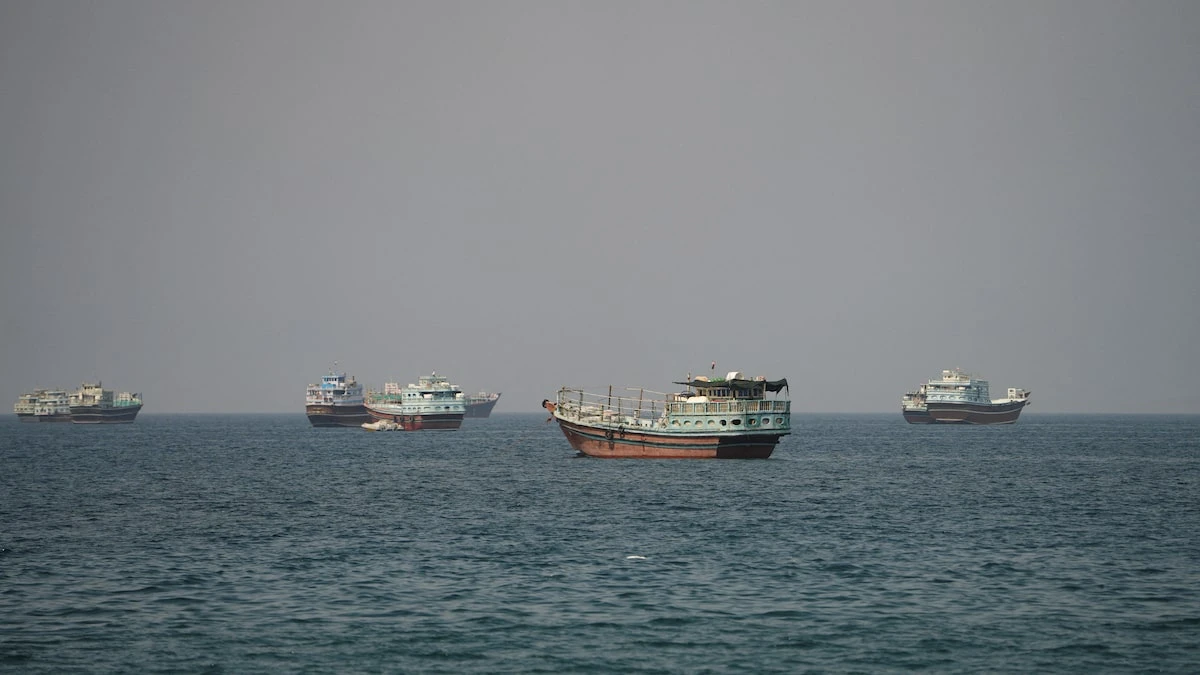
The maritime security of the region is currently at a breaking point. A senior Iranian official stated on Tuesday that Tehran could potentially reopen the Strait of Hormuz to international shipping within seven days. However, this reopening is strictly contingent upon the United States meeting specific conditions:
- A significant easing of military pressure from the US.
- The lifting of naval blockades currently imposed on Iranian ports.
Tehran's Demands via Qatar
Utilizing a mediation channel provided by Qatar, Iranian Foreign Minister Abbas Araghchi has expanded the list of requirements for stability. To move forward, Tehran is demanding:
- The immediate release of frozen Iranian assets.
- An end to conflicts across all "resistance fronts," specifically citing the ongoing warfare in Yemen.
Regional Fallout: Oil, Airspace, and Houthi Escalation
The ongoing maritime blockade and persistent missile threats are having a direct, severe impact on the UAE, Saudi Arabia, Qatar, Bahrain, and Oman. Critical sectors, including oil traffic, port operations, and regional airspace, have all been heavily disrupted by the volatility.
Simultaneously, Iran-backed Houthi forces in Yemen have ramped up their activities, seizing territory in the Red Sea and claiming responsibility for strikes on Saudi facilities in Yanbu and Riyadh. Recent escalations saw Saudi air defenses intercept a ballistic missile aimed at the capital, which resulted in a fuel tank catching fire near King Khalid International Airport.
"The demand to end the war on 'resistance fronts' presents a significant challenge, as it may force Riyadh and Abu Dhabi to accept a political outcome in Yemen they have long opposed."
A Shifting Diplomatic Landscape
The diplomatic timeline is moving rapidly. Following a proposal from Tehran on September 16, a second proposal regarding the seven-day reopening of the Strait was presented on September 22. While no formal agreement has been signed and the waterway remains effectively closed, Trump has indicated that further meetings are scheduled.
In a surprising turn, despite G7 foreign ministers urging Iran to stop arming the Houthis, reports indicate that Trump canceled planned US strikes against the group following a meeting with Mohammed bin Salman. As the Strait of Hormuz remains a volatile focal point, regional air defenses continue to stay on high alert.